
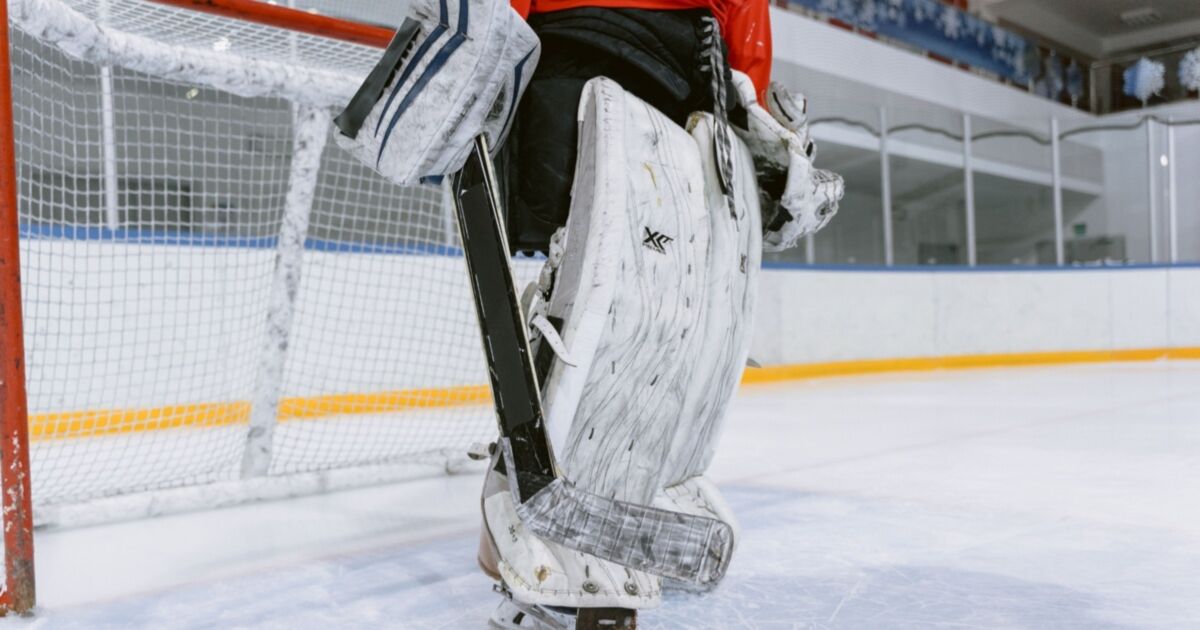
Goalie Leg Pads: How to Choose the Right Size and Style
Choosing the right pads is about far more than finding the correct number on a size chart. Your pads influence nearly every movement you make in the crease—from your first stance to a butterfly save, lateral push, recovery, and rebound control. The right pair should feel like part of your technique rather than an obstacle you have to work around.
With different profiles, constructions, fits, and protection systems available, the buying process can quickly become confusing. The good news is that once you understand what actually matters, you can make a much more confident decision.
Your Pads Should Follow Your Movement, Not Fight It
The primary purpose of goalie leg pads is to protect your legs while helping you move efficiently. However, not every pad will feel the same, even if two models appear similar in size.
Start by considering how you actually play. Do you spend most of your time moving aggressively from post to post? Do you rely heavily on butterfly positioning? Do you prefer a stable, structured feel or something that feels more flexible and responsive?
Your answers can help narrow down the type of pad that suits you. A pad that complements your natural movements can make transitions smoother and help you maintain consistency throughout a game.
The Number on the Size Chart Isn't the Whole Story
Getting the correct size is essential, but sizing is not simply about choosing a pad based on your height. Manufacturers use measurements such as leg length, knee-to-ankle distance, and other dimensions to determine the appropriate fit.
Always consult the manufacturer's specific sizing guide because measurements can vary between brands and models.
A pad that is too large can interfere with mobility and make recoveries feel awkward. A pad that is too small can reduce coverage and leave unnecessary gaps. The ideal fit allows the pad to stay correctly positioned while your legs move naturally.
Most importantly, your knee should consistently land in the intended landing area when you drop into the butterfly. If your knee does not sit correctly, even an otherwise excellent pad can feel wrong.
The Knee Landing Test: Your Crease Has a Sweet Spot
Your knee landing position is one of the easiest ways to determine whether a pad is working with your body.
When you drop into the butterfly, your knees should land comfortably in the designated area of the pads. If they consistently land too high, too low, or off-center, the pad may not be the right size or your knee protection may not be positioned correctly.
This is why goalie knee pads deserve just as much attention as the leg pads themselves. They should provide reliable protection while staying securely in place during butterfly drops, slides, and recoveries.
Senior players can compare options such as the CCM KP F5 Senior Goalie Knee Pads and Bauer GSX Senior Goalie Knee Pads. Other models worth considering include the Warrior Ritual X5 RTL Senior Goalie Knee Protectors, Brians Pro 2 Senior Goalie Knee Protectors, and Vaughn VX1 Pro Senior Goalie Knee Protectors.
The key is not simply choosing the most protective option. Your knee protection must also integrate comfortably with your pads and allow your legs to move freely.
What Your Pads Say About Your Playing Style
Every goalie develops a unique relationship with their equipment. Some players want maximum mobility, while others prefer stability and a more structured feel.
Butterfly-focused goalies may appreciate pads that facilitate quick drops and lateral slides. Other players may prefer characteristics that support rebound control or provide a more traditional response.
Think about your existing technique before buying. The newest technology is not necessarily an advantage if it changes the way you move in a way that feels unnatural.
Your goalie equipment should enhance your technique rather than force you to change it completely.
Your Pants Are Part of the Equation
It is easy to treat pants as a separate purchase, but your goalie pants can affect how your entire leg setup feels.
Goalie pants need to protect the hips and thighs while allowing sufficient freedom for butterfly movements and lateral transitions. They should fit securely without restricting your range of motion.
Senior players can compare models such as the CCM F9 Senior Hockey Goalie Pants, Bauer GSX Senior Hockey Goalie Pants, and Brians Optik 3 Senior Hockey Goalie Pants.
For additional padding underneath your outer equipment, the Vaughn V10 Padded Goalie Senior Underwear Pants are another option to consider. Players exploring different traditional goalie-pant designs may also come across the Reebok Goalie Shell Pants.
The important point is that pants, knee protection, and pads should work together. If one component restricts movement or changes your positioning, the entire setup can feel less comfortable.
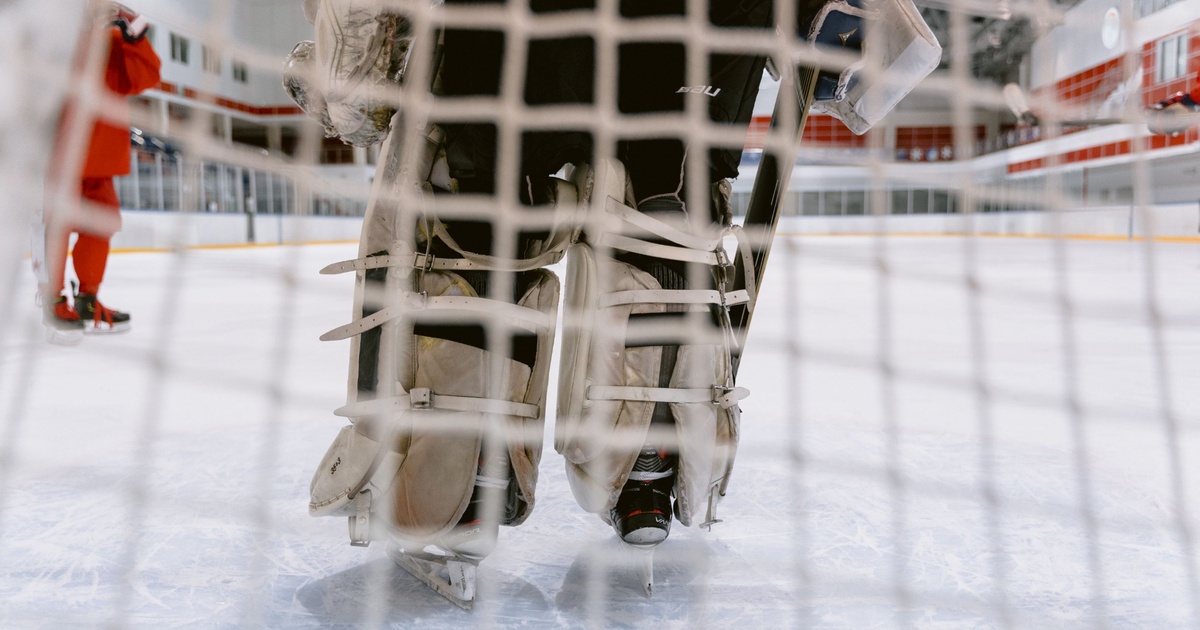
Rebound Control Starts With More Than the Stick
When a shot hits your pads, where the puck goes next matters; pad construction, shape, stiffness, and surface characteristics can all influence rebound behavior.
Some goalies prefer rebounds to travel well away from the crease, while others prefer a more controlled response that keeps the puck closer. Your playing style and defensive system can influence which characteristics are most useful.
There is no universally correct rebound profile. The goal is predictable behavior that you understand and can manage consistently.
The Best Pad Fit Is a Full-Body Conversation
Your pads do not operate independently. Your skates, pants, knee protection, chest protector, glove, blocker, and other goalie accessories all influence how your setup feels.
Changing knee pads can alter your knee landing position. Different pants can affect hip mobility. A change in skate size or boot profile can also subtly influence your stance.
For this reason, testing your pads alongside the rest of your equipment is extremely valuable. A pair that feels perfect on its own may feel completely different once you put on your full setup.
Don't Buy a Pad You Can't Move In
One of the most useful tests is simple: move.
Drop into your butterfly. Push from side to side. Recover to your feet. Move around the crease. Perform the movements you would normally make during a game.
Pay attention to pressure points, restricted movement, and whether the pads remain properly positioned. You should not need to adjust your equipment after every movement.
Comfort during these basic movements is a much better indicator of suitability than appearance alone.
New Pads Need a Breaking-In Period
Even correctly fitted pads can feel unusual at first. Different strapping systems, stiffness, materials, and profiles can change how your legs move.
Give yourself time to adapt during practices before judging the equipment entirely. Work on butterfly drops, lateral slides, post integration, recoveries, and rebound control.
However, there is an important distinction between equipment feeling unfamiliar and equipment feeling wrong. A short adjustment period is normal. Persistent discomfort, incorrect knee positioning, or restricted movement should prompt you to reassess the fit.
Build the Setup Around the Save, Not the Product
The best leg-pad setup is not necessarily the most expensive, newest, or visually impressive. It is the one that allows you to move confidently and repeat your technique without unnecessary limitations.
Take accurate measurements, consider your playing style, evaluate your knee protection and pants, and test how everything works together. When your equipment is properly fitted and balanced, the pads stop being something you think about and become an extension of your movement.
That is ultimately what you should be looking for: equipment that lets you stay focused on the puck, anticipate the play, and make the save rather than thinking about what is happening around your legs.