
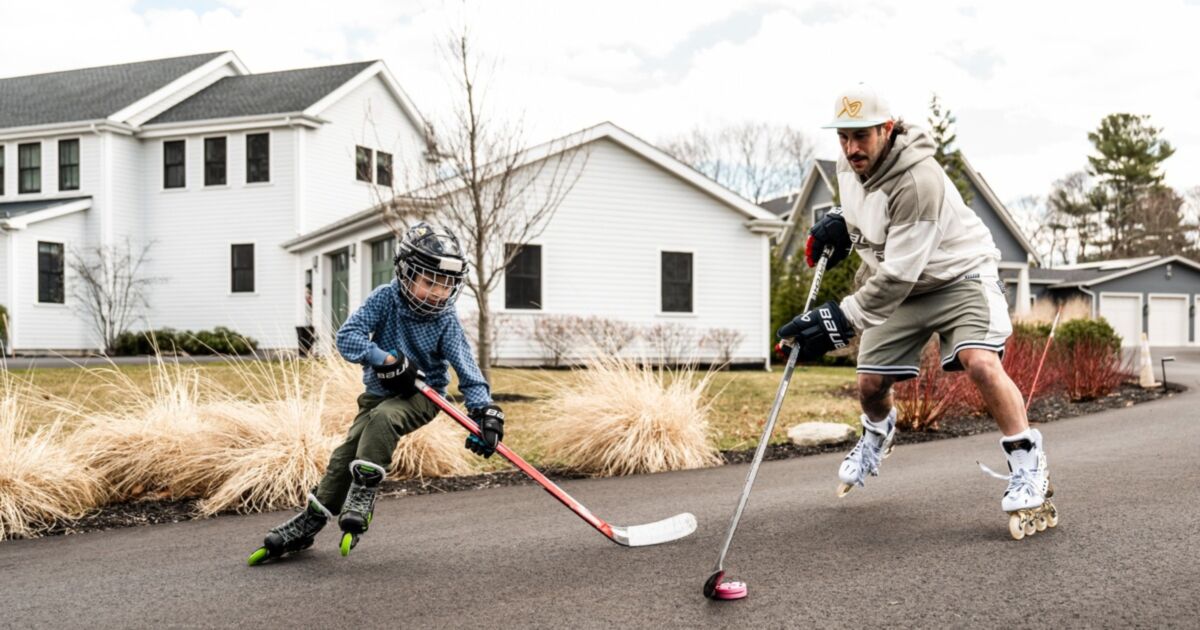
Beginner's Guide to Inline Hockey: Skates, Protective Gear and Accessories
Starting inline hockey is an exciting step for anyone who enjoys speed, competition, and the technical side of hockey. At first, however, the amount of equipment can seem overwhelming. Unlike simply buying a pair of recreational skates, building a proper setup involves considering fit, wheel configuration, protection, clothing, and the surface where you will play. The smartest approach is to understand what each component contributes and choose equipment that supports your development rather than complicating it. Good inline hockey gear should feel comfortable, dependable, and appropriate for your current level, giving you the freedom to concentrate on skating, puck control, passing, and shooting.
Finding Skates That Feel Natural From the First Stride
Your skates form the foundation of the entire setup because almost every movement in inline hockey starts from your feet. The right inline hockey skates should hold the heel securely, provide adequate ankle support, and keep the foot comfortable during extended sessions. Beginners sometimes make the mistake of choosing a skate that feels excessively tight because they assume a tighter fit automatically means better performance. In reality, pressure points and discomfort can quickly become distracting. A secure fit should provide control without making the player constantly aware of the footwear.
There are options for different ages and experience levels. The Mission Inhaler FS2 Senior Inline Hockey Skates are worth considering for senior players building a dedicated setup. At the same time, the Bauer Vapor XR Senior Inline Hockey Skates offer another senior option for players looking for a responsive hockey-oriented skate. Younger players can explore models such as the CCM Jetspeed FT850 Junior Inline Hockey Skates or the Mission Inhaler FS2 Junior Inline Hockey Skates. At the same time, the Bauer Vapor Fly40 Inline Hockey Skates Senior provides another senior-level alternative. For players in the intermediate category, the CCM Jetspeed FT870 Intermediate Inline Hockey Skates and Mission Inhaler FS1 Intermediate Inline Hockey Skates offer additional choices. Regardless of the model, beginners should pay close attention to sizing, foot shape, heel movement, and overall comfort before making a decision.
Wheels and Bearings Shape the Way You Move
After the boot itself, the wheels have one of the most noticeable effects on how a skate behaves. Inline skate wheels interact directly with the playing surface, influencing traction, acceleration, turning, and overall stability. Wheel hardness should therefore be selected according to where you play rather than simply choosing a specification because it appears faster or more advanced. A softer wheel can provide useful grip on suitable surfaces, while a firmer option may produce a different response. The player's weight, skating technique, and court conditions also influence how a particular wheel setup performs.
The Revision Variant Classic Red Soft Inline Skate Wheels provide an example of a softer wheel option. At the same time, the Revision Variant Classic White Firm Inline Skate Wheels represent a firmer alternative. Beginners do not need to experiment with numerous combinations immediately. It is more useful to understand how the current wheels feel during acceleration, sharp turns, and stopping, then make changes once you have developed enough skating experience to recognize what you want to improve.
The same principle applies to inline bearings. Bearings are easy to overlook because they sit inside the wheels, but their condition contributes to the smoothness of the rolling system. Dirt, moisture, and general wear can gradually degrade performance, so keeping bearings clean and periodically checking them is worthwhile. Rather than focusing solely on technical ratings, beginners should prioritize reliable components and basic maintenance. Clean wheels, properly functioning bearings, and a suitable surface can make a noticeable difference without requiring complicated equipment modifications.
Protection Should Support Movement, Not Fight It
Inline hockey is fast, and players can generate considerable momentum even during casual sessions. Falls, collisions, and unexpected contact are part of learning the sport, making inline protective gear an essential part of a beginner's setup. Protection should not be treated as something added after the important equipment has been purchased. It is part of creating the confidence needed to skate aggressively and learn new skills. A suitable protective setup should stay securely in place while allowing natural movement. Helmets, gloves, elbow protection, shoulder protection where appropriate, shin protection, and lower-body protection all need to work together rather than independently. Poorly fitted equipment can shift during movement or create uncomfortable pressure points. In contrast, properly fitted protection should allow the player to focus on the game rather than repeatedly adjusting their gear. Clothing also plays an important role in this combination. Properly fitted inline hockey pants should accommodate protective equipment while allowing the hips and legs to move freely during skating. Inline jerseys should offer enough room for natural movement without becoming excessively loose or interfering with other equipment. Breathable materials can also be beneficial during intense sessions, as inline hockey can become physically demanding even when the environment feels cool.

Creating a Setup That Matches Your Development
Beginners do not need to purchase every possible upgrade immediately. A more effective strategy is to build a dependable foundation and allow the equipment to evolve as your skills improve. Start by making sure the skates fit properly, then consider the wheels and bearings based on the surface you regularly play on. Protective equipment should receive equal attention because comfort and confidence directly influence a beginner's willingness to challenge their skating ability.
The chassis is another component worth understanding, even though it may not be something a new player needs to replace. It connects the boot to the wheels and contributes to the overall geometry and feel of the skate. The Mission Hi Lo Frontloader Goal Senior Chassis demonstrates how specialized chassis configurations can be integrated into a more advanced setup. For someone just entering inline hockey, however, learning to control the original configuration is usually more valuable than immediately modifying it.
As your technique develops, you will naturally become more aware of subtle differences. You may discover that you prefer greater traction during tight turns, a different wheel response when accelerating, or a particular balance under your feet. Those observations are useful because they allow future equipment decisions to be based on actual playing experience rather than marketing claims or assumptions.
Turning a Good Equipment Setup Into Better Hockey
The most successful beginner setup is not necessarily the most expensive or technically complicated. It is the one that removes unnecessary distractions and allows the player to concentrate on developing fundamental skills. Comfortable skates provide a stable platform for learning, suitable wheels help build confidence on the playing surface, maintained bearings keep the setup rolling smoothly, and properly fitted protection makes it easier to play with commitment.
Over time, equipment knowledge develops naturally alongside hockey ability. A new player may initially judge skates simply by comfort, but after regular sessions they may begin to recognize differences in wheel grip, chassis response, balance, and acceleration. That understanding makes future upgrades far more purposeful.
Inline hockey rewards players who are willing to learn both the sport and their equipment. With a thoughtfully selected setup, beginners can progress without unnecessary complications, gradually discovering which components suit their style and playing environment. The objective is ultimately simple: create equipment that works with you, so your attention stays on reading the play, controlling the puck, improving your skating, and enjoying every minute on the court.