
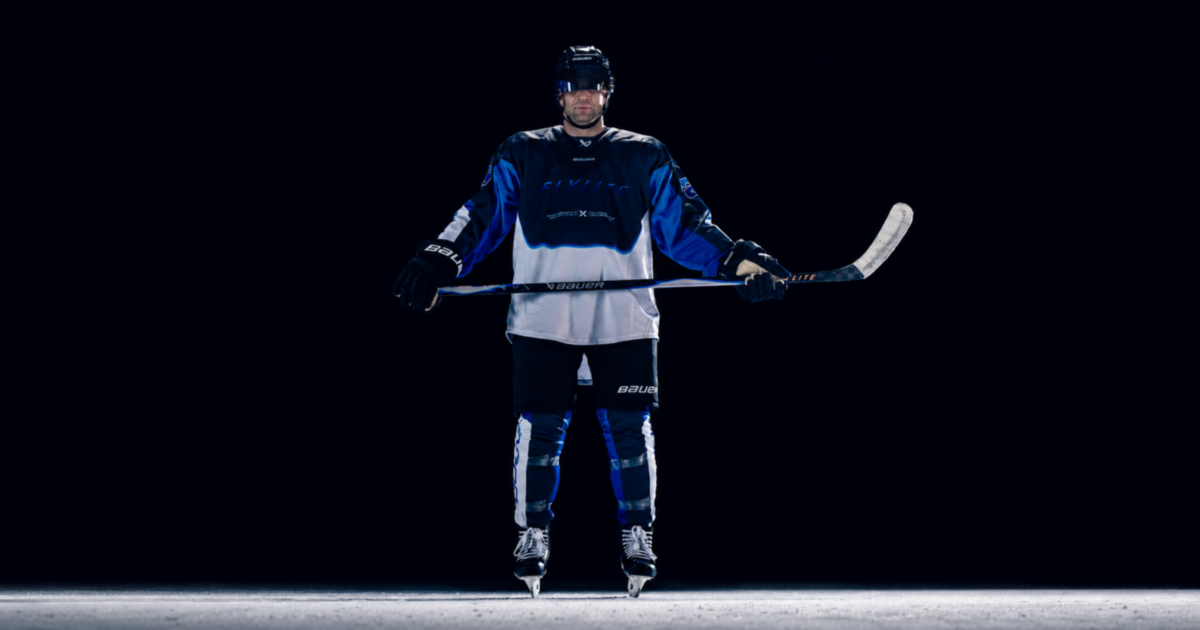
Base Layers and Game Wear: What to Wear Under Your Hockey Gear
The right base layers can completely change how comfortable a hockey player feels during a game. Before the helmet goes on and the first shift begins, what sits underneath the equipment is already doing important work: managing moisture, reducing friction, keeping the body comfortable, and helping players stay focused when the pace rises.
A complete under-gear setup is about more than warmth. The right hockey apparel should work with the rest of the equipment rather than create extra bulk or restriction. From a lightweight underwear top to comfortable hockey socks, every layer has a role. The best combination depends on the player, the intensity of the session, the rink environment, and personal preference.
Start With the Layer Closest to Your Skin
The first layer deserves more attention than it often receives. A good underlayer should feel comfortable from the opening faceoff through the final shift without becoming distracting.
The CCM LS Training Senior Underwear Top is one option for players looking for a long-sleeve foundation beneath their equipment. Another choice is the Bauer CTN Modal Senior Underwear Top, which may be a good fit for players who prioritize softness and everyday comfort.
For players who prefer additional neck coverage, the Blue Sports LS Neck Senior Underwear Top offers another approach to building a comfortable first layer. A properly selected top should fit close enough to stay in place while allowing the shoulders, arms, and upper body to move naturally.
The objective is simple: the base layer should almost disappear once the game begins. If fabric bunches underneath shoulder protection or restricts movement around the elbows, it can become a distraction. A close, comfortable fit is therefore generally more useful than simply choosing the thickest garment available. Material matters too. Hockey is a high-intensity sport, and players can generate considerable heat even in a cold rink. A layer that manages moisture effectively can help prevent clothing from becoming heavy and uncomfortable during extended practices or games.
The Sock-and-Pant Combination That Keeps Everything in Place
The lower body requires its own strategy. Skates, shin protection, pants, and other equipment create multiple points where clothing can shift or bunch. Well-chosen hockey socks help complete the setup while providing a consistent layer between the legs and equipment.
The Warrior Senior Hockey Socks are one option for players looking for a traditional hockey sock. The Senior Knit Hockey Socks provide another style to consider, particularly for players who appreciate the familiar feel of a classic knit construction. For another senior option, the CCM 7000 Senior Hockey Socks can also be incorporated into a player's game-day setup.
The key is finding a sock that works naturally with your shin protection. A sock that constantly moves out of position can become irritating, while an overly tight fit may feel restrictive. Players should also consider how the sock interacts with their preferred fastening system and overall equipment routine.
Underneath the hockey pants, some players prefer an additional layer for comfort and coverage. The Warrior Leggings Women Underwear Pants offer an option for female players who want a close-fitting lower layer as part of their equipment setup.
The ideal lower-body combination should allow full movement while keeping clothing securely positioned. When the fit is right, players can concentrate on skating, battling for the puck, and changing direction instead of adjusting their clothing between shifts.
What Changes Between Practice and Game Night?
Not every hockey session requires the same clothing combination. A competitive game, an intense practice, and a light training session can place very different demands on the body. For practices, many players prefer comfortable practice jerseys that allow unrestricted movement through repeated drills. The CCM 5000 Senior Practice Jersey provides one option for training environments, while the Warrior PJ Logo Senior Practice Jersey offers another practice-focused choice.
Choosing the right base layers and game wear can help keep you comfortable and focused on the ice. The Bauer Flex Senior Practice Jersey is a practical choice for players who want comfortable game wear that allows easy movement during practices and training sessions.
Practice wear can also be useful for players who want to maintain a clear separation between training equipment and their primary game setup. Having dedicated practice garments means the player can keep the same routine without constantly rotating game-day clothing through every training session.
Game wear, meanwhile, often benefits from a more deliberate approach. Players may have specific preferences regarding the fit of their underwear top, sock thickness, neck coverage, and jersey. Once a combination works, consistency can become part of the pre-game routine.
This does not mean every player needs the same number of layers. Some athletes naturally run warmer, while others prefer additional coverage. The important thing is to avoid unnecessary bulk. Too many layers underneath protective equipment can make the gear feel tighter and potentially interfere with comfortable movement.
Neck Protection, Comfort and the Details Players Notice
Some pieces of clothing are easy to overlook until they become important. Neck coverage is a good example. A layer around the neck can provide an additional sense of comfort and coverage underneath the jersey and protective equipment.
The CCM Neck Protector Senior Underwear Top offers a dedicated option for players who want neck protection integrated into their underlayer. For many players, combining functions in one garment can simplify the equipment routine and reduce the number of separate items that need to be positioned before stepping onto the ice.
Comfort also comes down to seams, fit, and how clothing interacts with equipment. A garment that feels perfectly comfortable while standing may behave differently once a player is skating, bending, battling along the boards, or repeatedly getting up from the ice.
That is why trying a new garment during practice before relying on it for an important game is a smart approach. Practice provides the opportunity to discover whether the fit remains comfortable during movement and whether any part of the garment shifts during play.
Building a Wardrobe That Works Beyond the Rink
Hockey clothing does not have to live exclusively inside an equipment bag. A versatile collection of hockey apparel can support training, travel, recovery days, and everyday activities around the sport. Players who train outdoors or stay active during warmer months may also benefit from suitable summer apparel. Lightweight athletic clothing can make it easier to stay comfortable during off-ice workouts without relying on the heavier garments used during rink sessions.
The same principle applies to base layers. A garment that feels comfortable underneath protective equipment can sometimes become a useful standalone training layer when the weather and activity allow it. Building a practical wardrobe around versatile pieces can therefore be more useful than buying clothing for one specific situation. Good hockey clothing should support the athlete rather than compete for attention. It should move naturally, feel comfortable against the skin, and work with the equipment already being worn.
The Best Layer Is the One You Stop Thinking About
Choosing what to wear under hockey equipment ultimately comes down to balance. The player needs enough coverage to remain comfortable, but not so much that the equipment feels restrictive. Moisture management matters, but so does softness. Protection is important, but freedom of movement cannot be sacrificed. A reliable setup might begin with a fitted underwear top, continue with comfortable lower-body protection, and finish with well-positioned socks and a practice or game jersey. Players can then adjust the combination according to rink temperature, training intensity, and personal preference. There is no universal formula. The most effective setup is the one that allows you to forget about your clothing once you step onto the ice. When your base layer stays where it should, your socks remain comfortable, your jersey moves naturally, and nothing rubs or restricts you, your attention can stay on the game. That is the real purpose of game wear: not to become another thing you notice, but to quietly support every stride, shift, pass, and battle until the final whistle.