
The Complete Ice Hockey Skate Buying Guide: Fit, Stiffness and Sizing
Buying a new pair of skates is not something you should rush. A good pair should feel secure, supportive, and comfortable enough to wear through a full game or training session. The right choice depends on more than the brand or price. Fit, stiffness, sizing, blade setup, and the way you skate all matter.
There are plenty of hockey skates on the market, from basic recreational models to high-performance boots designed for experienced players. Understanding the main differences makes the buying process much easier.
Start With Fit
Fit should always come before appearance or price. Hockey skates should feel snug around your foot without causing painful pressure. Your heel should remain securely in place when you bend your knees and get into a normal skating stance.
Do not rely entirely on your everyday shoe size. Hockey skate sizing can differ from regular footwear, and manufacturers offer different boot shapes and fit profiles. If possible, try the skates on while wearing the socks you normally use for hockey.
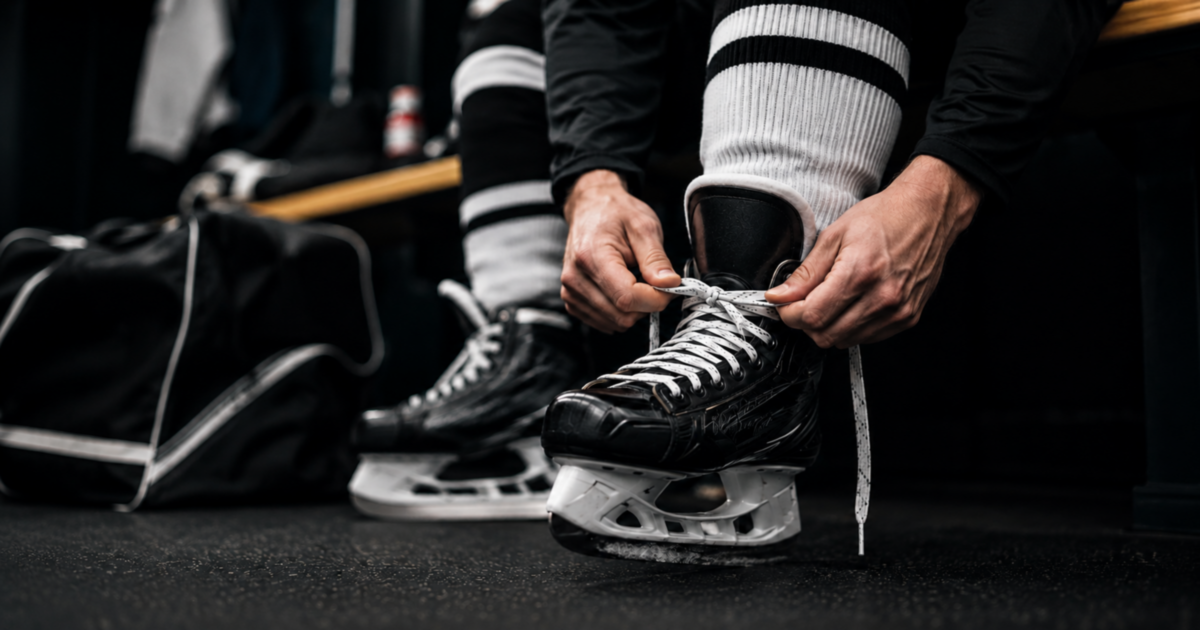
When testing ice hockey skates, lace them properly rather than simply slipping your feet inside. Stand up, bend your knees, and move your ankles as you would while skating. Pay attention to your heel, arch, forefoot, and toes. A little initial snugness is normal, but sharp pressure or numbness is a warning sign.
Width and Volume Matter
Two skates of the same length can feel completely different because of their width and internal volume. Some players have narrow feet and prefer a more tapered boot, while others need additional room around the forefoot or instep.
More room is not automatically better. If your foot moves excessively inside the boot, you lose some of the connection between your movements and the skate. Ideally, the foot should feel held securely without being squeezed.
Many modern performance skates can also be heat molded. This can improve the fit by allowing the boot to adapt to the shape of your foot, although heat molding cannot compensate for choosing the wrong size.
Choosing the Right Stiffness
Stiffness is another important factor. A very stiff boot can provide excellent support and energy transfer, but it may feel unnecessarily demanding for a beginner or recreational player.
Experienced skaters who generate a lot of force during each stride may benefit from a supportive boot. Newer players often have more to gain from a skate that provides enough support while still allowing natural movement.
The Bauer Supreme M40 Senior Ice Hockey Skates are a good example of a performance-oriented model designed with support and responsiveness in mind. They use a thermoformable composite boot and sit below Bauer’s highest-end Supreme models.
The important point is not to choose the stiffest skate simply because it costs more. Your skating ability, body weight, frequency of play, and personal preference should all influence the decision.
Comparing Skate Models
Different skate families are designed with different priorities. The CCM Tacks XF Senior Ice Hockey Skates, for example, are built around power and energy transfer. Their one-piece boot construction is intended to provide a responsive connection between the player and the ice.
At the premium end, the CCM Vizion Senior Ice Hockey Skates take a different approach, combining a modern boot construction with features designed for responsiveness and comfort. High-end skates can offer impressive performance, but that does not mean they will automatically fit your foot better than a less expensive model.
Previous-generation equipment can also be worth considering. The Bauer Supreme M30 Senior Ice Hockey Skates may be an attractive option if you find unused older stock at a good price. Just make sure you check the condition carefully and confirm that replacement parts are still readily available.
Rental Skates Versus Your Own Pair
For someone trying hockey for the first time, rental equipment is perfectly reasonable. The CCM Rental Senior Ice Hockey Skates are designed for this type of use, where durability and practical sizing are important.
However, regular players usually benefit from owning their own skates. Your feet become accustomed to the shape of the boot, and you can maintain the equipment to suit your needs. A personal pair also gives you much more control over fit and comfort.
Don’t Ignore the Holder and Runner
The boot is only part of the skate. The components underneath it are equally important. Skate holders and runners affect how the boot connects with the ice and how easily the steel can be replaced or maintained.
The CCM SB XS Skate Holder is a quick-release holder system that allows compatible runners to be changed without replacing the complete holder. This can be particularly convenient for players who regularly use different sets of steel or need a quick replacement.
Older skates may have different hardware. The Reebok E Pro Skate Holder, for example, belongs to an older generation of skate equipment. If you are buying used skates, inspect the holder carefully for cracks, loose areas, or other damage.
Choosing and Maintaining Runners
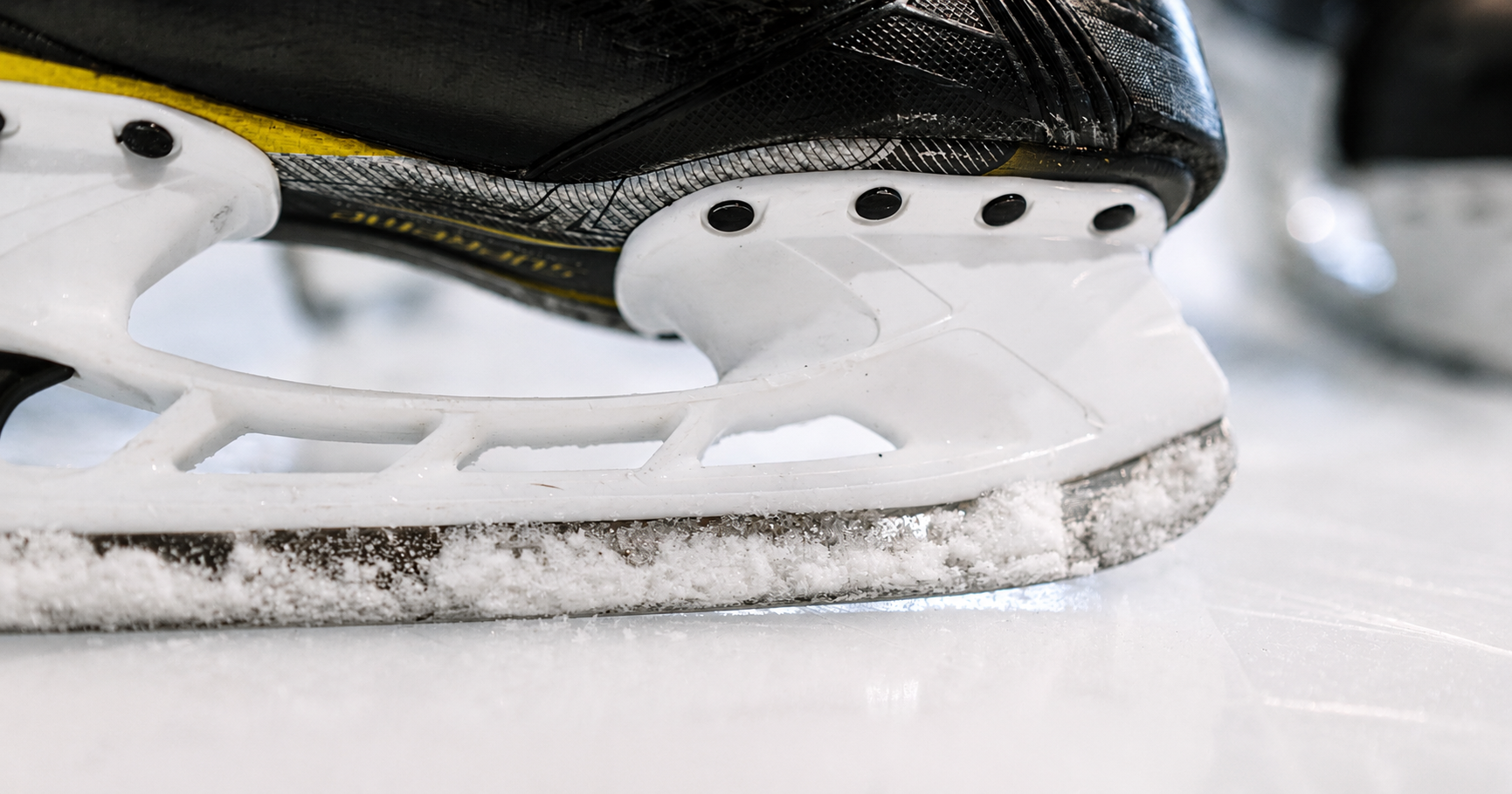
Runners are the steel pieces that actually contact the ice. Their condition directly affects your skating because clean, properly sharpened edges are essential for controlled turns, stops, and acceleration.
The Bauer Fly Ti Senior Skate Runners are an example of replacement steel made for compatible Bauer holders. When buying runners, always confirm compatibility with the exact holder on your skates. Having the same brand does not necessarily mean every runner will fit every holder.
Regular maintenance is just as important as the runner itself. After skating, dry the steel and remove excess moisture before putting your skates away. Do not leave wet equipment sealed inside a hockey bag for an extended period.
Skate Maintenance Products
Proper care can significantly extend the useful life of your skates. A product such as Howies Skate Lube can be useful as part of a regular skate-maintenance routine, depending on the specific application.
You may also come across Blue Sports Skate Runner Wax Lubricant, another type of maintenance product intended for skate runners. Always follow the product instructions and avoid using more lubricant or wax than necessary.
Good maintenance also means checking your steel regularly. If you notice damaged edges, deep nicks, or unusual wear, have the runners inspected rather than simply continuing to skate on them.
Inline and Ice Hockey Skates Are Not the Same
Players who participate in both forms of hockey may be tempted to use one pair of skates for everything. However, inline hockey skates are designed around wheels and a chassis rather than steel runners.
The difference changes how the skate responds to the surface. Inline equipment is specifically designed for smooth surfaces and rolling movement, while ice hockey skates are built around edges and contact with the ice.
If ice hockey is your main sport, choose a skate designed specifically for ice. The construction and blade setup are fundamentally different from an inline system.
Goalie Skates Have Their Own Requirements
Goaltenders should also avoid treating regular skates as the default choice. Goalie skates are designed around the movements and stance used in the crease.
A goaltender spends significant time in a low stance and performs lateral movements that are different from those of a typical skater. The boot, holder, and runner configuration can therefore have a noticeable effect on comfort and movement.
If you play goal regularly, look for equipment specifically designed for the position rather than choosing a player skate simply because the size appears correct.
Finding the Right Skate for Your Game
Before buying, think about how often you play and what you want from the new pair. A recreational player who skates once a week has different needs from someone training several times a week.
It is also worth considering the cost of ownership. Replacement runners, sharpening, maintenance, and eventual repairs all add to the long-term expense. A slightly cheaper skate may not be the better value if replacement parts are difficult to find.
The same applies when comparing premium and mid-range models. Paying more makes sense when the additional features actually benefit your skating. If a less expensive boot fits your foot perfectly, there is no reason to dismiss it simply because another model has a higher price.