
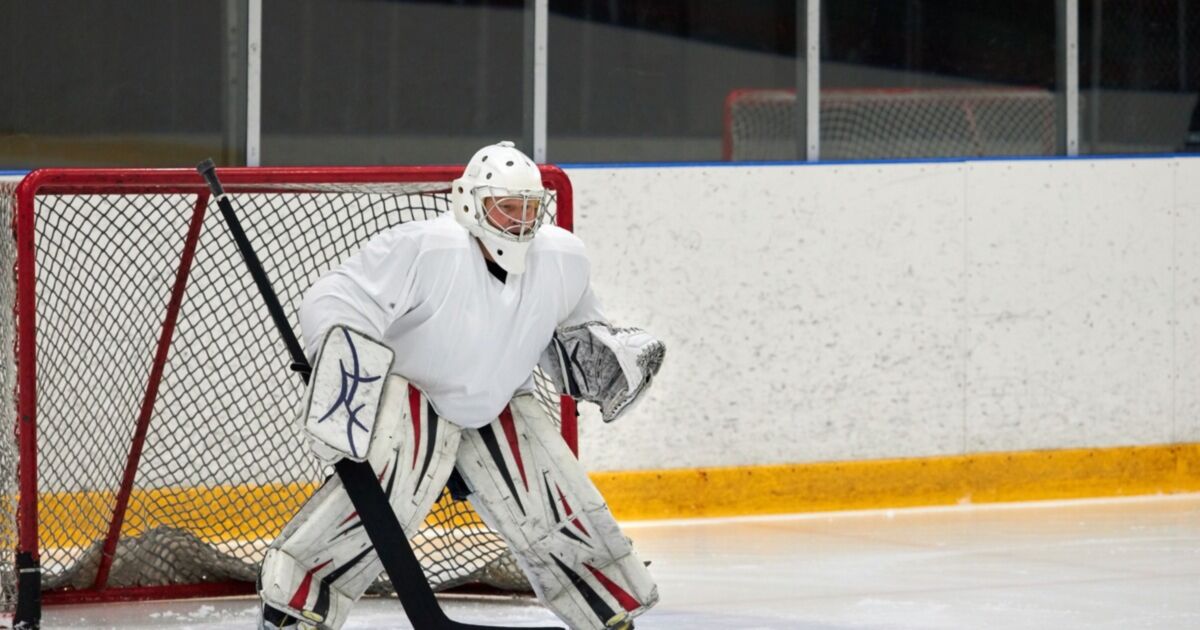
Best Goalie Sticks for Every Level: A Complete Buyer’s Guide
Buying a goalie stick is a little different from buying equipment for a skater. A goaltender uses the stick constantly, from making saves and steering rebounds to playing the puck behind the net and starting a breakout. That makes feel, balance, paddle length, and durability just as important as the price tag.
There is no single model that will suit every goalie. A player who is just getting comfortable in the crease may want something dependable and reasonably priced, while an experienced goaltender might be more interested in weight, puck feel, or a particular paddle design. The best goalie sticks are the ones that match the way you play, feel natural in your hands, and give you confidence when making saves, controlling rebounds, or moving the puck.
What Matters Most When Choosing a Goalie Stick?
Before looking at individual models, get the fundamentals right. Paddle length is particularly important because it affects how the stick sits on the ice in your stance. Bauer’s goalie-stick sizing information separates equipment into youth, junior, intermediate, and senior categories, while also offering different paddle lengths within those groups.
Your stance and leg-pad setup matter here. A stick that works perfectly for another goalie of the same height may not work for you. If the paddle is too short, you may feel as though you are constantly reaching for the ice. If it is too long, the stick can feel cumbersome and change your hand position.
Construction is the next consideration. Traditional foam-core sticks tend to have a more substantial feel, while composite construction can reduce weight and provide a different response. Neither option is automatically better. Balance is often more noticeable than the actual weight listed by the manufacturer.
A Sensible Option for Newer Goalies
For someone learning the position, there is little reason to start with the most expensive stick available. Durability, predictable handling, and a comfortable price can be more useful while the fundamentals are still developing.
The Bauer GSX Senior Goalie Stick is a good example of this approach. Bauer positions the GSX as a reliable option for newer goalies, with Supreme-inspired geometry, an Expandcel core, and a carbon shaft. Current senior versions are offered with 25-, 26-, and 27-inch paddle options.
A more traditional alternative is the Brians GSP2 Senior Goalie Stick. This model uses an Aspen-core shaft with birch and maple veneers, along with a foam-urethane paddle core and glass laminate. That construction gives it a noticeably different character from a modern all-composite stick and may appeal to goalies who prefer a classic feel.
For recreational hockey, that can be a perfectly reasonable choice. There is no advantage in paying for elite-level technology if the goalie does not particularly need it.
Mid-Level Performance: Where Feel Starts to Matter More
Once a goalie is playing regularly, small differences in a stick become easier to appreciate. A player who spends more time handling the puck may care about blade response and balance, while someone who rarely leaves the crease may place greater emphasis on durability and the way the stick settles on the ice.
The CCM XF Senior Goalie Stick is a composite option from CCM’s XF family. CCM currently lists the XF senior stick alongside its other dedicated goalie models, making it a relevant choice for players looking to move beyond basic equipment.
The CCM XF 70 Senior Goalie Stick sits at a more accessible performance level within the XF range. Its construction combines unidirectional carbon and fiberglass, while the high-flex profile uses a stiffer paddle with a more flexible shaft. CCM’s design is intended to provide control when stopping the puck as well as a useful response when clearing or passing it.
That combination makes the XF 70 worth considering for a goalie who wants composite construction without immediately stepping into the highest-priced equipment.
Warrior Sticks for Goalies Who Play the Puck
Some goaltenders treat puck handling as an important part of their game. If that sounds familiar, the shaft and blade can become especially important because you will notice how the stick loads, grips, and releases the puck.
The Warrior M2I Senior Goalie Stick is an example of Warrior’s approach to goalie-stick construction, with an asymmetrical shaft design intended to support handling and control.
For players looking further up the range, the Warrior Ritual M3 Pro Senior Goalie Stick uses Warrior’s Minimus Carbon 12 construction, asymmetrical shaft geometry, and SlideGrip technology. It was specifically developed with puck-playing goalies in mind, while its construction puts more emphasis on durability than the lighter M3 RTL version.
The Warrior Ritual M3 RTL Senior Goalie Stick takes the lightweight approach further. Its Minimus Carbon 25 construction, unidirectional carbon shaft, asymmetrical geometry, and SlideGrip technology are designed around a combination of low weight, control, and quick handling.
For an experienced goalie, the difference between these kinds of constructions can be noticeable. Still, lighter does not automatically mean better. Some goalies prefer the more solid response of a slightly heavier stick.
Traditional and Older Models Still Have a Place
Not every good purchase needs to be the newest release. Previous-generation equipment can be particularly attractive when a retailer is clearing remaining stock.
The Bauer R5 Pro Senior Goalie Stick is an example of a model that may still be found through older inventory. Bauer’s R5 Pro design used unidirectional carbon construction with TexTreme technology and an AeroFoam BridgeCore blade, giving it a lightweight composite construction.
The Bauer Pulse Senior Goalie Stick is another model that may appear in listings for previous-generation equipment. Bauer’s Pulse goalie design was developed with puck handling in mind, using an ergonomic shaft and paddle design together with a P28G curve and hybrid toe.
When buying an older stick, condition is more important than the fact that the model is no longer the newest one. Look carefully for cracks, damaged edges, worn paddle areas, and other signs of heavy use.
CCM Tacks: A Balanced Choice
The CCM Tacks Senior Goalie Stick is another dedicated goalie option worth considering. CCM describes the Tacks senior model as a stick focused on control, durability, and response. The current design uses a one-piece paddle-blade construction and Pure Carbon Technology, with a high-flex profile and Variable “V” shaft geometry.
That makes the Tacks a sensible option for goalies who want modern composite construction but don't necessarily want the lightest stick possible.
It is also worth checking the exact generation when shopping. CCM has released different versions of its Tacks goalie sticks, and specifications can change between model years.
Don’t Shop for Goalie Equipment Like a Skater
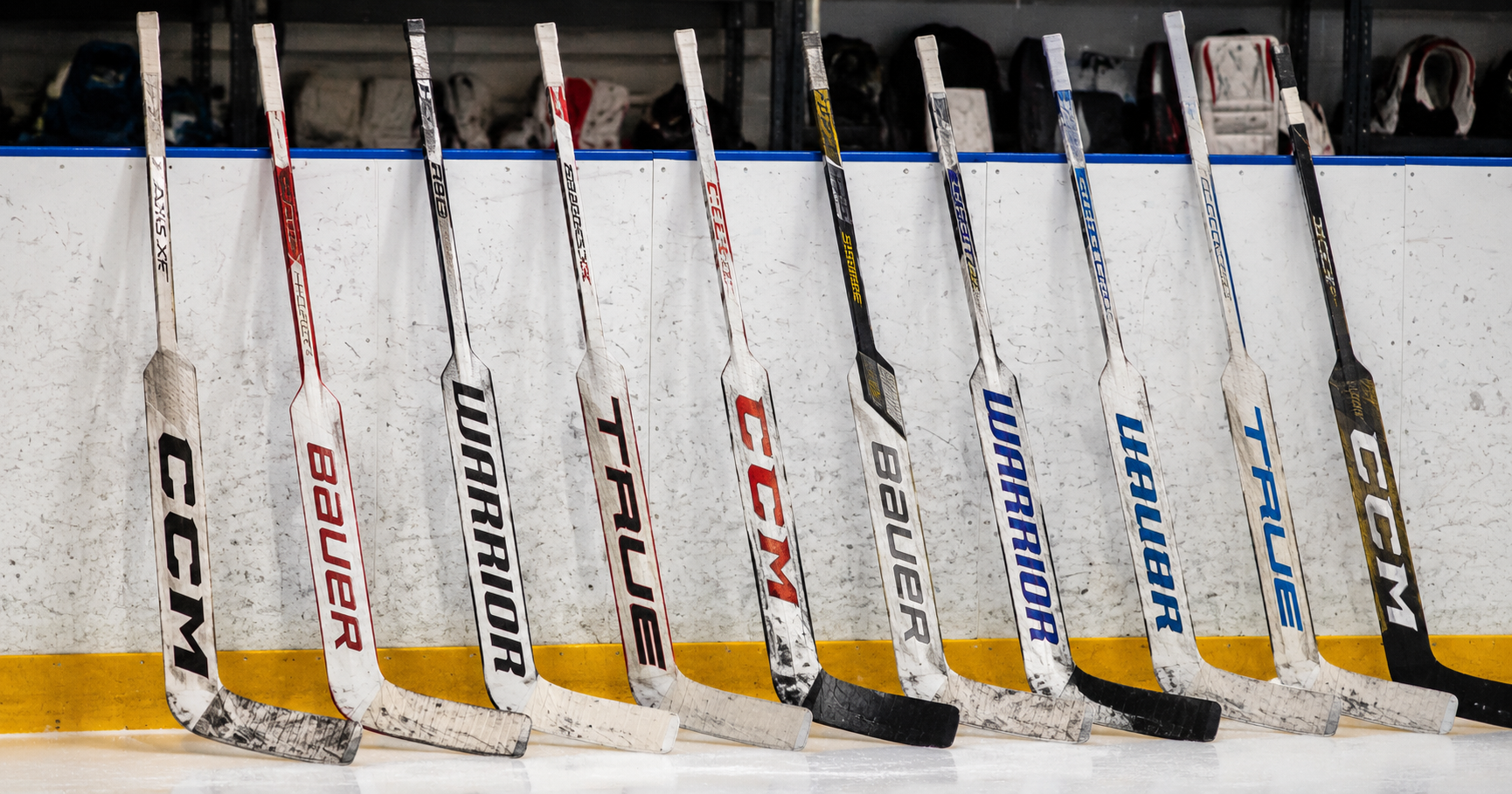
One easy mistake is searching for ice hockey sticks without paying attention to the position the product was designed for. A goalie stick has a much wider paddle and blade because it is built around completely different requirements.
The same applies to player sticks. These are designed for skaters and should not be treated as alternatives to dedicated goalie equipment.
Likewise, the phrase senior sticks only describes a size category. A senior skater stick and a senior goalie stick are fundamentally different pieces of equipment. Always check the product description carefully before ordering.
What About Smaller or Developing Goalies?
Senior equipment is not automatically the right choice for every goaltender. Younger players and smaller adults may be more comfortable with a shorter paddle and lighter construction.
This is where terminology can become confusing. Intermediate player sticks generally refer to skater equipment, so a goalie shopping for intermediate sizing should look specifically for an intermediate goalie model. Bauer’s GSX range, for example, is available in multiple goalie size categories rather than limiting the line to senior equipment.
The important thing is to match the stick to the player’s stance and physical dimensions. Buying an oversized stick with the expectation that a young goalie will eventually grow into it can make puck handling and basic technique harder in the meantime.
A Practical Buying Checklist
Before ordering a new stick, take a few minutes to consider:
● Paddle length and stance
● Hand orientation
● Blade pattern
● Construction and weight
● Balance in the hands
● Frequency of puck handling
● Expected durability
● Budget
If you already have a stick that feels good, use it as your reference point. Comparing the new model against something you know is often more useful than relying on specifications alone.
Final Thoughts
The best goalie stick is the one that feels predictable when the game gets busy. You should be able to move the blade into position, make a save, control a rebound, or send a pass up the ice without thinking about the equipment itself.
Beginners can usually get excellent value from dependable entry-level models. At the same time, experienced goalies may benefit from spending more on lighter construction, improved balance, or a specific shaft and paddle design. Older models can also be smart purchases when the price and condition are right.
Most importantly, choose the correct size first. Once the paddle length and overall feel are right, comparing brands and technologies becomes much easier. A well-matched stick will not replace good goaltending technique, but it can make the equipment feel like a natural part of it.