
Inline Skate Accessories: Wheels, Bearings and Chassis
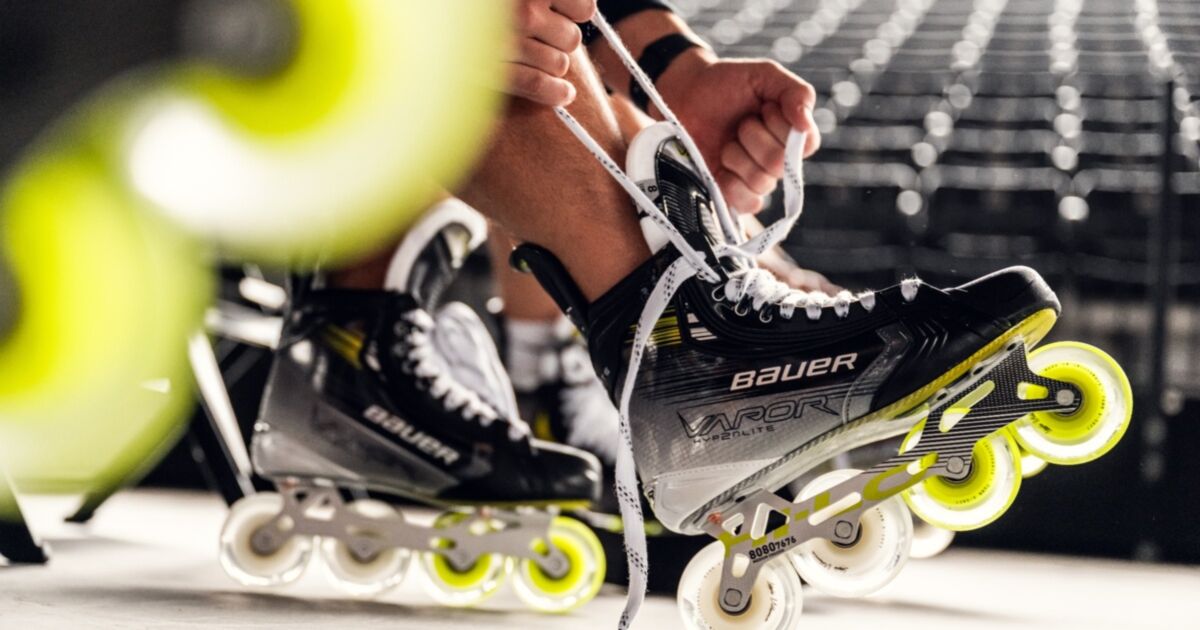
Inline hockey is built around speed, agility, balance, and explosive movement, but all of those qualities depend on the equipment beneath your feet. Wheels determine how effectively you grip and accelerate, bearings influence how smoothly the wheels rotate, and the chassis provides the foundation that connects your boots to the skating surface. Choosing these components is therefore about much more than replacing worn parts. The right combination should suit your playing style, body weight, skating technique, and the surface where you spend most of your time. Regular inspection is also important, as worn wheels, contaminated bearings, or damaged hardware can affect both performance and consistency.
Wheels That Change the Feel of Every Stride
Among the components underneath an inline skate, inline skate wheels have one of the most noticeable effects on performance. Wheel hardness, diameter, profile, and construction can influence traction, speed, stability, and maneuverability. A setup that feels exceptionally quick on a smooth indoor surface may behave very differently on rougher ground, so the playing environment should always be part of the decision.
Softer wheels generally provide more grip, while harder wheels can offer a faster, more responsive sensation on suitable surfaces. Wheel size also matters. Larger wheels can help maintain speed, while smaller wheels may provide a more agile feeling when changing direction. The ideal choice depends on how and where you skate rather than simply selecting the most advanced-looking option.
The Bauer Court Wheel Inline Skate Wheels are one option for players refreshing their wheel setup. The CCM Replacement Black Wheels provide another replacement choice, while the Revision V Plus Red Soft Inline Skate Wheels can appeal to players who prioritize additional grip. Another option worth considering is the Bauer Street Wheel Inline Skate Wheels, particularly when building a setup around the demands of off-ice skating. The key is to match the wheel to the surface and your skating habits, rather than assuming one wheel construction will work equally well everywhere.
Wheel wear should also be monitored regularly. Uneven wear can change the wheel's profile and influence how the skate feels during turns. Rotating wheels periodically can help distribute wear more evenly and preserve a more consistent skating sensation.
Bearings Built for Smooth Movement
Inside every wheel, inline bearings perform a deceptively important job. They allow the wheels to rotate around the axles and contribute to the smoothness and efficiency of every stride. When bearings become dirty, wet, damaged, or worn, players may notice increased resistance, unusual sounds, or a rougher rolling sensation.
The Mission Hi Lo RH ABEC 9 Inline Skate Bearings are one option for players comparing bearing configurations. ABEC ratings can be useful when comparing precision specifications, but they should not be treated as the only measure of real-world hockey performance. Maintenance, construction quality, surface conditions, and compatibility with the skate are all important considerations. Another product to consider when planning a complete replacement setup is the Roller Gard Wheels Bearings Wheels. Whether replacing individual components or refreshing the complete wheel-and-bearing system, compatibility should always be checked before installation.
Bearing maintenance is particularly important for players who skate frequently. Dust and moisture can gradually affect performance, and wet bearings should be dried rather than left inside damp equipment. If a bearing feels rough when spun or produces an unusual sound, inspection or replacement may be appropriate.
Chassis Geometry Sets the Foundation
The inline chassis is the structural link between the boot and the wheels. Its design influences how the skate responds during acceleration, turns, transitions, and lateral movements. Because the chassis determines how the wheels are positioned beneath the player, even a relatively small change can alter the overall feel of the skate.
The Bauer Flexlite Senior Chassis is one option for senior players looking at chassis configurations. The Mission Hi Lo Aluminum Senior Chassis provides another construction to compare, while the Mission Hi Lo Kryptonium Senior Chassis offers an additional option for players evaluating different chassis setups.
For younger players, the Bauer Flexlite Junior Chassis provides a junior-oriented alternative. Proper sizing is essential because chassis dimensions and wheel configuration need to work with the player's skate and physical proportions. A chassis should never be considered separately from the wheels installed on it. Different chassis configurations can create different stances and skating sensations, meaning a chassis upgrade may also require careful consideration of wheel size and positioning.
Creating a Complete Inline Setup
It is easy to focus on a single component when upgrading equipment. However, wheels, bearings, and chassis work together as a complete skating system. Changing one part can influence how the others feel.
Your hockey accessories should complement that system rather than be selected purely because a product looks appealing. Before making an upgrade, identify what you actually want to change. More grip? Faster acceleration? Greater stability? A smoother rolling sensation? A more agile feel through tight turns? Those questions create a much better starting point than simply choosing the most expensive component available.
The same principle applies to your broader collection of skate accessories. A new wheel may improve traction, but if the bearing is worn, the result may still feel inconsistent. New bearings can make a setup smoother, but they cannot compensate for badly worn wheels. A new chassis can change handling characteristics, but it must be compatible with the boot, axle system, and intended wheel configuration. That is why major changes are best made deliberately. Test one significant component at a time when possible, so you can understand exactly what has changed.
Performance Starts With the Surface Beneath You
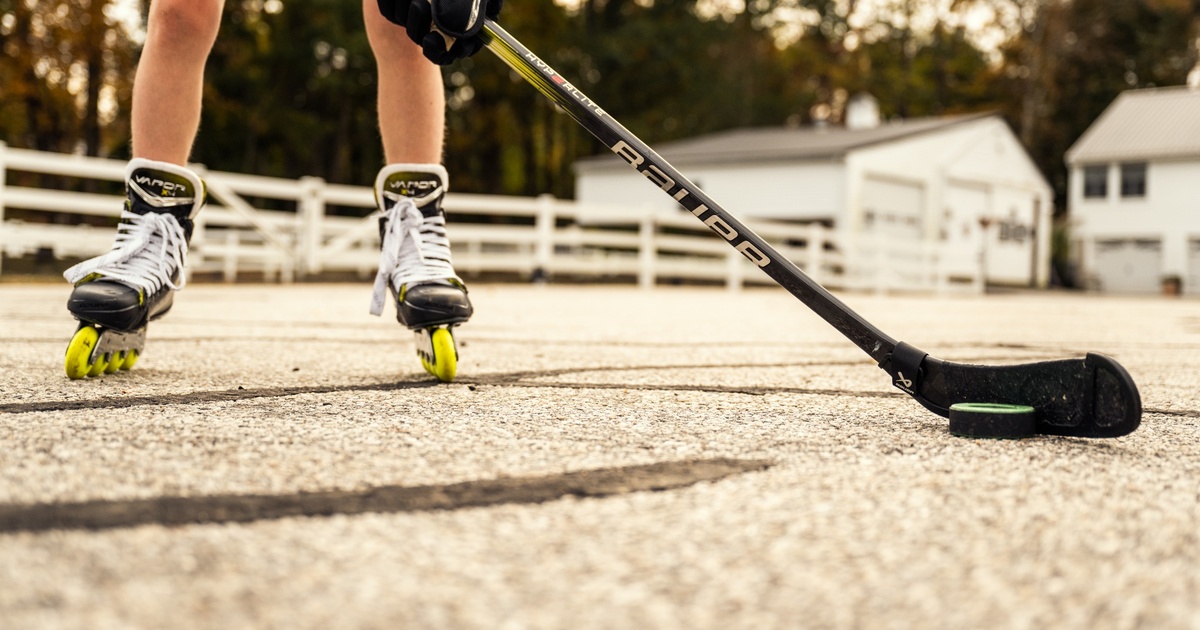
The playing surface should influence almost every equipment decision. Indoor sport courts, smooth concrete, and rough outdoor surfaces place different demands on wheels and bearings. Players who regularly move between environments may even benefit from having separate wheel configurations for different conditions.
Before buying replacement wheels, consider where you skate most often and how frequently you train. Think about your weight, skating intensity, and whether grip or speed is more important for your style. Players who make aggressive cuts may prioritize traction, while those who rely on open-ice speed may value rolling efficiency. Maintenance is equally important. Check the wheels before sessions, inspect the bearings, and make sure the hardware is secure. Damaged wheels should be replaced rather than used until they fail. Regular care can help preserve performance and identify potential problems early.
A properly matched inline setup should eventually become something you barely notice. Instead of thinking about whether the wheels are gripping, whether the bearings are rolling smoothly, or whether the chassis feels stable, your attention can remain where it belongs—on the play.
Wheels, bearings, and chassis may be relatively small compared with the rest of a hockey player's equipment, but they create the critical connection between the player and the surface. When those components are selected carefully and maintained consistently, every stride can feel more controlled, every turn more predictable, and every burst of acceleration more confident.