
How to Choose a Hockey Helmet: Fit, Cages and Visors Explained
A hockey helmet is one of the most important pieces of equipment a player can own. Unlike many items in a hockey bag, a helmet is specifically designed to protect the head during falls, collisions, and contact with sticks or other equipment. Choosing one should therefore involve more than picking a favorite brand or the model with the most features.
The right helmet should fit securely, remain comfortable throughout a game, and work properly with the type of face protection required by your league. Understanding sizing, adjustment systems, cages, visors, and basic maintenance can make the buying process much easier.
Start With the Fit
The fit should always be the first consideration when choosing hockey helmets. A helmet that is too loose can move around during skating or contact, while one that is too tight may become uncomfortable and distracting.
Most modern helmets include some form of adjustment mechanism. Depending on the model, the shell can be adjusted to provide a more personalized fit. When the helmet is properly positioned, it should sit securely on the head without excessive movement.
Put the helmet on and adjust it according to the manufacturer’s instructions. Move your head from side to side and forward and backward. The helmet should stay in position rather than sliding noticeably across the head.
Do not intentionally buy a helmet that is several sizes too large because you expect a child or young player to grow into it. A helmet needs to fit correctly when it is being used.
Finding the Right Size
Helmet sizing varies between manufacturers and models, so players should always check the specific manufacturer’s sizing recommendations. Head shape can also influence comfort. Two helmets with similar size ranges may feel noticeably different because their internal shapes are not identical.
When trying on a helmet, wear it for several minutes rather than taking it off immediately. Pay attention to pressure points around the forehead, temples, and back of the head.
A properly fitted helmet should feel secure without causing pain. If you constantly feel pressure in one particular area, changing the adjustment may help, but it can also indicate that another helmet shape would suit you better.
Cages and Full-Face Protection
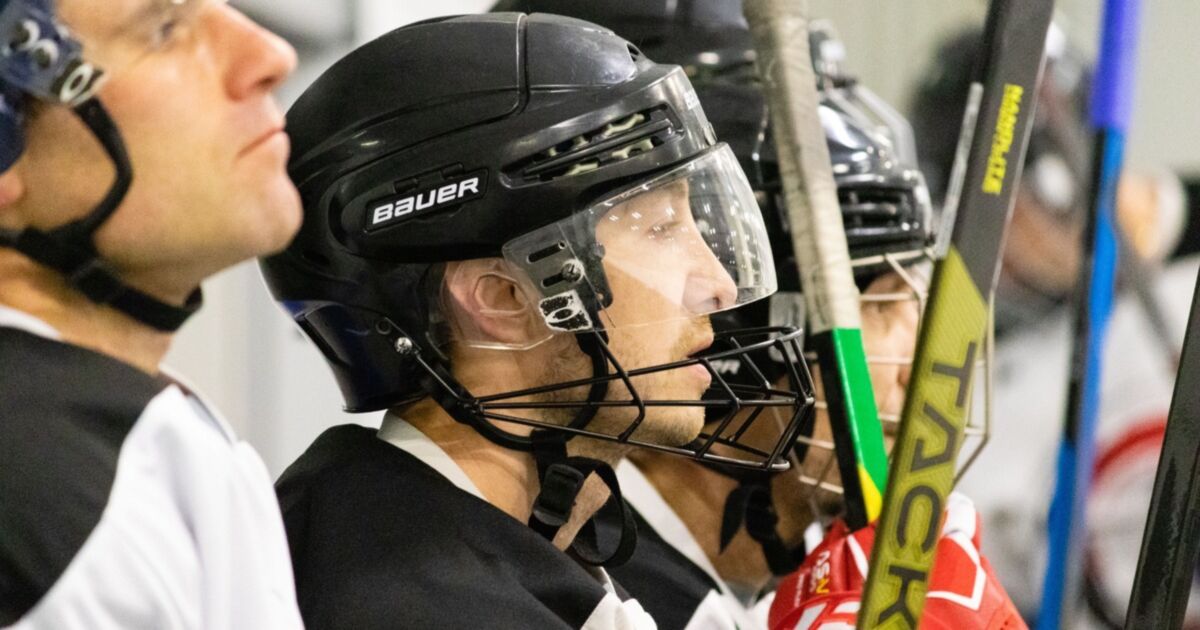
For many players, a cage is an essential part of their equipment. Helmet cages provide full-face protection and are commonly used by players who need or prefer coverage across the entire face.
Cages are attached directly to compatible helmets and should be installed securely. The fit should allow the player to see clearly without the cage sitting too close to the face.
When choosing a cage, make sure it is compatible with the helmet and complies with the rules of the league in which you play. Different leagues and age groups can have specific requirements regarding facial protection.
A cage should also be checked regularly for damage. Bent or damaged wires, loose attachment points, or broken hardware should not simply be ignored.
Choosing a Visor
Players who are permitted to use one may choose a visor instead of a full cage. Helmet visors protect the eyes and provide some facial coverage while maintaining an open feel compared with a cage.
Visibility is particularly important. A visor should be clear and free from significant scratches that could interfere with your ability to see the puck or other players.
Several replacement options are available for different helmet systems. For example, the CCM HVR Replacement Senior Visor is designed as a replacement visor for compatible CCM equipment.
The Bauer Concept III Full Senior Visor is another type of full visor designed to provide facial and eye protection while maintaining a relatively open field of view.
The Hejduk Optix Prime CE10 Visor is another example of an aftermarket visor option. Compatibility and certification should always be confirmed before purchasing a replacement visor.
Different Helmet Models
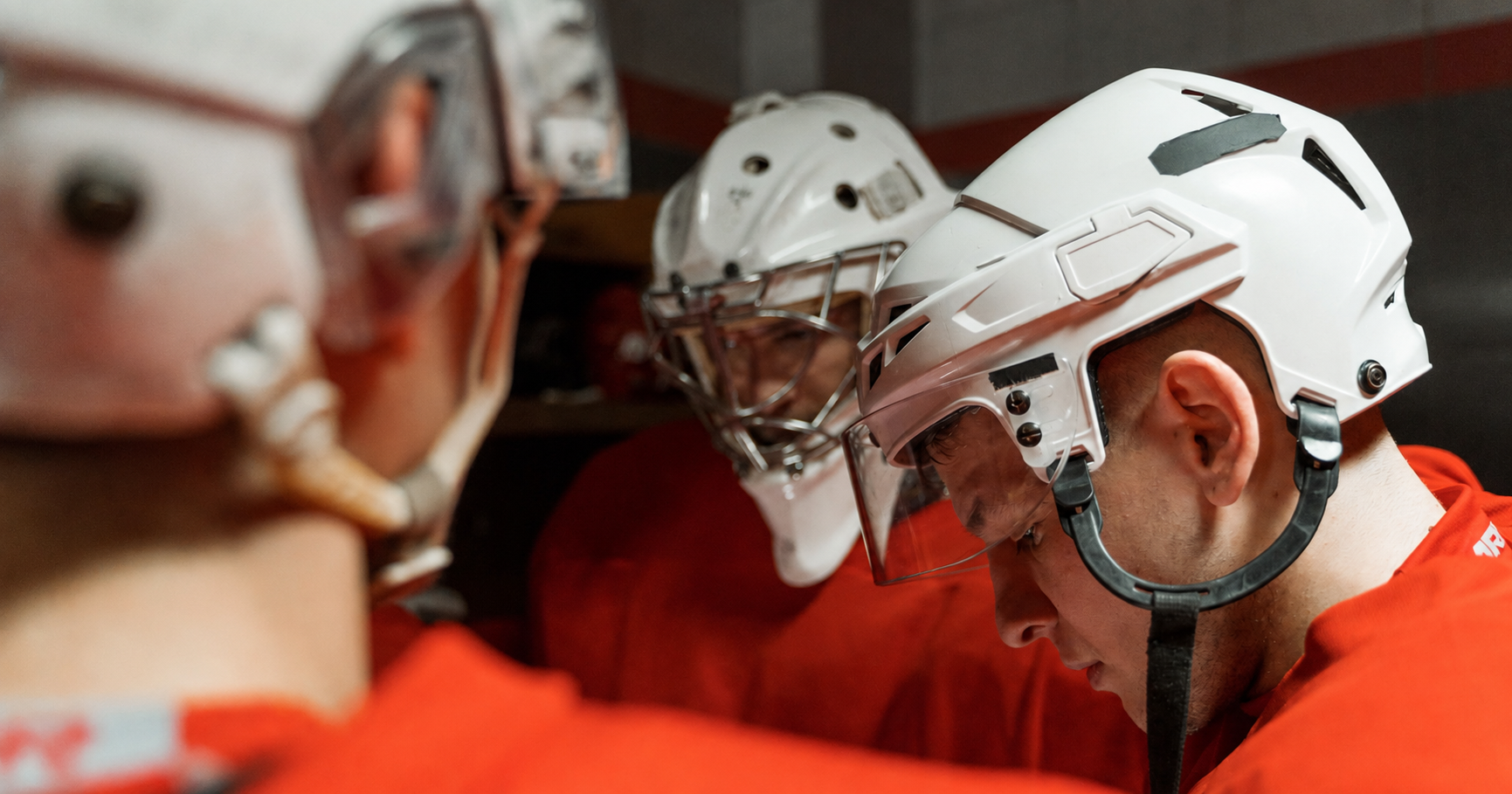
The helmet model itself can affect comfort, ventilation, adjustment, and overall fit. Rather than automatically choosing the most expensive option, consider how the helmet actually fits your head.
The Bauer Re Akt 55 Senior Hockey Helmet is an example of a senior helmet designed for adult players. Players comparing different brands may also come across the Warrior CF 100 Senior Hockey Helmet, which provides another approach to helmet construction and fit.
When comparing models, look at the adjustment range and internal shape as well as features such as ventilation. A helmet that fits properly is generally a better choice than a more advanced model that creates pressure points.
Visor Alternatives and Replacement Parts
Visors are not universal, so always check compatibility before purchasing one. The Hejduk MHX Visor is another visor option that may be encountered when shopping for hockey equipment.
Players may also need replacement hardware or components over the life of a helmet. The Reebok Helmet Spare Part Box is an example of a replacement-parts product intended for helmet maintenance.
Keeping replacement parts available can be useful because small components such as screws, clips, or adjustment pieces can become worn or damaged through regular use.
Looking After Your Helmet
Helmet maintenance is relatively simple, but it should not be overlooked. After each game or practice, allow the helmet to dry rather than leaving it damp inside a closed hockey bag.
Sweat can accumulate inside the padding, particularly during longer sessions. A product such as the CCM 920 FTW Senior Helmet Sweatband can be used as part of a helmet setup where compatible, helping manage moisture and improve comfort.
The helmet should also be inspected regularly. Look for cracks, damaged hardware, loose components, or deterioration of the internal padding. If the helmet has suffered a significant impact, follow the manufacturer’s recommendations regarding inspection or replacement.
Repairing Minor Helmet Problems
Some small equipment issues can be addressed with appropriate replacement parts or repair products. The Howies Player Helmet Repair Kit is an example of a product intended for basic helmet maintenance and repairs.
However, players should distinguish between a minor hardware issue and damage to the helmet shell or protective structure. A serious crack or significant impact should not be treated as a simple repair job.
When in doubt, have the helmet inspected by a qualified equipment professional or replace it according to the manufacturer’s guidance.
Choosing Between a Cage and Visor
The decision between a cage and visor largely comes down to league requirements, personal preference, and the level of facial protection you want.
A cage provides more extensive facial coverage and is commonly preferred by younger players and those who want maximum protection around the face. A visor provides eye protection and a more open feel but does not offer the same level of full-face coverage.
The Bauer Pro Blade Ce Senior Visor is another example of a senior visor option for compatible helmets. Before choosing any visor, confirm that it is designed for your helmet and meets the applicable safety requirements.
Additional Protective Equipment
A helmet is only one part of a complete hockey setup. Players also need appropriate protective gear, including shoulder pads, elbow pads, gloves, pants, shin protection, and other equipment required by their league.
Other protective accessories can improve comfort and equipment management but should never be used as a substitute for properly fitted certified protective equipment.
The best approach is to build your equipment around fit and safety first. Once the helmet sits securely, provides a clear field of vision, and is compatible with the required facial protection, features such as ventilation, adjustment systems, and comfort become much easier to evaluate.
Taking a few extra minutes to try different helmets and face-protection options can make a significant difference. A helmet should feel secure enough that you can concentrate on skating and playing rather than constantly adjusting your equipment during the game.