
How to Choose a Hockey Bag: Carry, Wheeled, or Backpack
A hockey bag has a surprisingly important role in every player's routine. It carries everything from protective equipment and clothing to skates, accessories, and personal essentials, but the right bag should do more than hold your gear. It should make transportation easier, keep your equipment organized, and suit the way you actually move between home, the rink, training sessions, and tournaments.
There is no single perfect design for every player. Some prefer the simplicity and generous capacity of traditional bags, while others value the convenience of wheels or the mobility of a backpack. Understanding the differences between these formats makes it much easier to choose equipment storage that works with your routine rather than against it.
Start With the Rink, Not the Bag
Before comparing different hockey bags, think about how your hockey equipment travels with you. A player who drives directly to the rink has different priorities from someone who walks through a large arena complex or travels regularly for tournaments.
Start by considering how much equipment you normally carry. Full protective equipment takes up considerable space, particularly for senior players. Add skates, clothing, a helmet, gloves, water bottle, spare tape, and other hockey accessories, and a compact bag can quickly become frustrating.
Your transportation habits matter just as much. If the bag spends most of its time in the trunk of a car, weight may not be a major concern. If you regularly carry it across parking lots or through large facilities, comfortable handles, wheels, or backpack straps can make a noticeable difference. The best player bags are therefore not necessarily the biggest or most feature-packed. They are the ones that match the player's equipment load and daily routine.
Three Bags, Three Very Different Hockey Lives
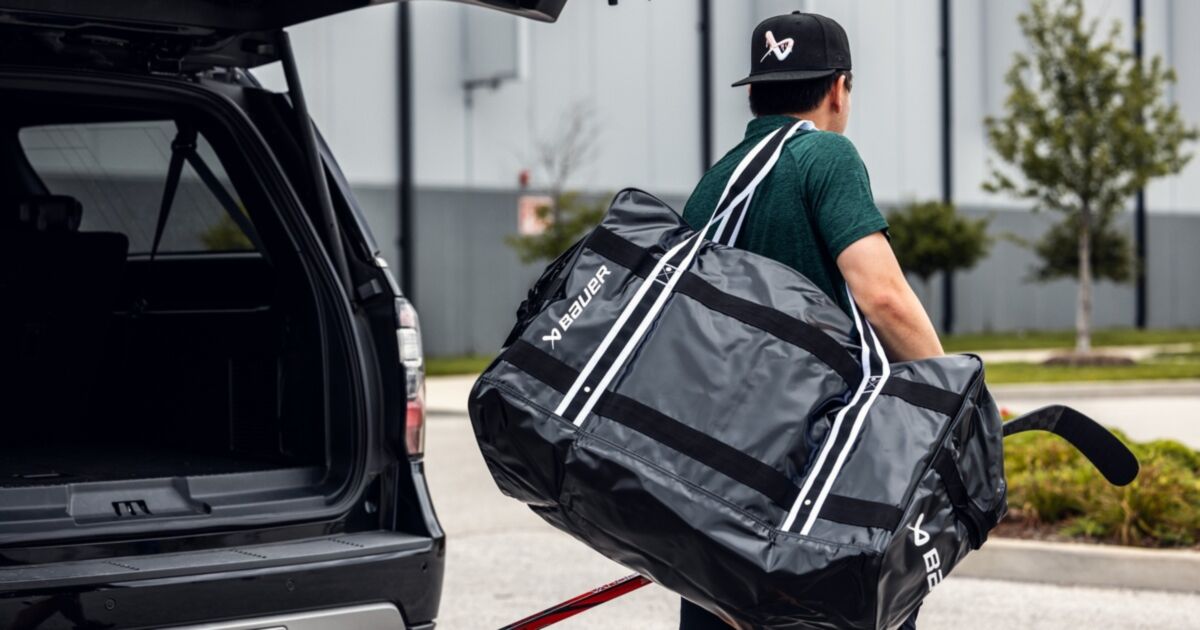
Traditional carry bags remain a classic choice for players who want maximum accessibility and straightforward storage. Their large main compartments make it easy to place bulky equipment inside, while the wide opening allows you to see what you have packed without searching through several small compartments.
The Bauer Pro Carry Senior Ice Hockey Bag represents the traditional carry-style approach, providing a practical format for players who want generous storage and easy access. The Prosharp Advantedge Carry Bag is another option for players comparing classic carry designs.
The CCM 540 Carry 37 Ice Hockey Bag and Warrior 20th Carry Ice Hockey Bag can also be considered when looking for a conventional equipment bag. This style works particularly well for players who prefer simplicity and want one spacious place for the majority of their gear.
Then there are wheeled hockey bags, which are designed around one simple idea: make heavy equipment easier to move. Instead of carrying the entire load, you can pull it behind you. This can be especially useful during tournaments, long walks between parking areas and locker rooms, or frequent travel.
Wheeled designs can, however, be less convenient on rough or uneven surfaces. They may also require more storage space because of their wheels and handle systems. If your typical journey involves smooth floors and substantial equipment, their convenience can easily outweigh those disadvantages.
For players who prioritize mobility and hands-free transportation, hockey backpacks offer a completely different approach. A backpack distributes the load across your shoulders and leaves your hands available for a stick, phone, water bottle, or other essentials.
The Bauer Elite Senior Backpack offers one backpack-style option, while the CCM Premium 18 Backpack provides another format for players who prefer organized, wearable storage. The Howies Stealth Team Senior Backpack and Warrior Q10 Backpack are additional options to consider when comparing backpack designs.
For players who travel regularly or want a versatile everyday option, the Vaughn Travel Backpack can also be part of the comparison. Backpacks are particularly practical when carrying a lighter selection of equipment rather than an entire set of bulky protective gear.
What Actually Belongs Inside?
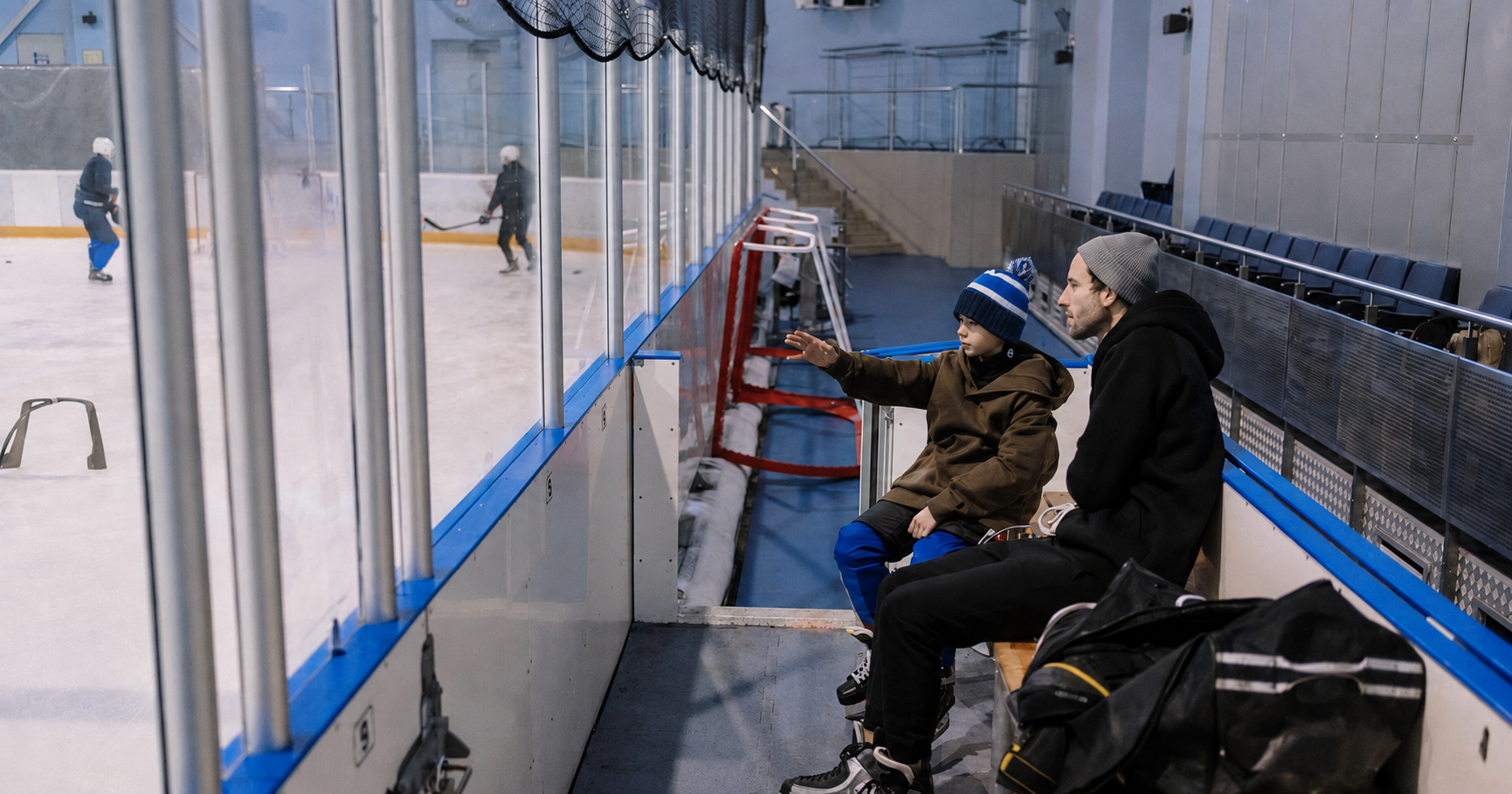
Capacity matters, but organization can make an equally significant difference. A bag that technically fits everything may still be inconvenient if you have to empty half of it to find a pair of socks or a roll of tape.
Think about which items need quick access and which can remain deeper inside the main compartment. Skates, for example, may benefit from dedicated storage or a separate bag. Smaller essentials can be placed where they are easy to reach before or after practice.
A specialized Blue Sports Deluxe Skate Bag can be useful when you want to keep your skates separate from the main equipment load. This can make transportation more organized and prevent sharp skate blades from coming into unnecessary contact with other gear.
Ventilation is another important consideration. Hockey equipment can retain sweat and moisture after a game, so leaving everything sealed inside a closed bag for extended periods is not ideal. When you return home, open the bag and allow the equipment to dry properly before packing it away again.
Organization should also reflect your routine. If you train several times a week, create a consistent packing system. Keep the same items in the same places so that preparation becomes automatic rather than a last-minute search through a crowded bag.
The Small Details That Make a Big Difference
Once you have chosen the basic format, look beyond capacity. The quality of handles, straps, zippers, seams, and materials can determine how well a bag performs over months or years of regular use.
For a carry design, examine whether the handles feel comfortable when the bag is fully loaded. A backpack should provide straps that remain comfortable during longer periods of carrying. For a wheeled model, consider the handle mechanism and wheel construction, particularly if the bag will frequently travel over different surfaces.
Weight is another detail worth considering. A large bag may offer impressive capacity, but adding a heavy bag to already-heavy equipment can make transportation unnecessarily difficult. The goal is to have enough room without encouraging yourself to carry things you rarely use.
Durability is especially important for players who practice frequently. A hockey bag is repeatedly loaded, unloaded, dragged, lifted, opened, closed, and transported. Strong construction can therefore be more valuable than decorative features that rarely affect everyday use.
It is also worth thinking about where the bag will be stored. A spacious carry bag might be ideal at home but awkward in a small locker. A backpack may fit neatly into limited spaces, while a wheeled bag may require more room because of its rigid components.
Choose the Bag That Matches Your Hockey Routine
The final decision becomes much simpler when you stop asking which bag is universally “best” and instead ask which design solves your particular problems.
Choose a traditional carry model if you need generous capacity, easy access, and a straightforward way to transport a full equipment set. A design such as the Bauer Pro Carry Senior Ice Hockey Bag, Prosharp Advantedge Carry Bag, CCM 540 Carry 37 Ice Hockey Bag, or Warrior 20th Carry Ice Hockey Bag may suit players who prefer classic storage.
Choose a wheeled design if you frequently transport heavy equipment across larger distances and want to reduce the physical effort involved in carrying it. This format can be especially practical for tournament travel and busy arena environments.
Choose a backpack if mobility, compactness, and hands-free transportation are more important than maximum capacity. Options such as the Bauer Elite Senior Backpack, CCM Premium 18 Backpack, Howies Stealth Team Senior Backpack, Warrior Q10 Backpack, and Vaughn Travel Backpack can be compared according to your individual needs.
Ultimately, a good hockey bag should disappear into your routine. You should know where your equipment belongs, be able to transport it without unnecessary effort, and arrive at the rink ready to play rather than frustrated by your own gear.
When the bag is chosen around the player instead of the other way around, even the busiest hockey schedule becomes easier to manage. The right storage system keeps equipment under control, simplifies preparation, and lets you spend less time wrestling with your gear—and more time doing what you came to the rink to do.