
Hockey Stick Accessories: Tape, Wax, Pucks and More
A hockey stick is one of the most personal pieces of equipment a player owns. Its length, flex, curve, weight, and overall feel can influence everything from shooting accuracy to puck control. Yet even the best stick is only as effective as the preparation and accessories that support it.
Tape can change the feel of the blade, training pucks can sharpen handling skills, and practice balls can make it possible to work on your hands away from the rink. The right accessories are not simply extras in a hockey bag—they are practical tools that help players train more consistently and prepare with confidence.
1. Tape Is Where Your Stick Becomes Personal
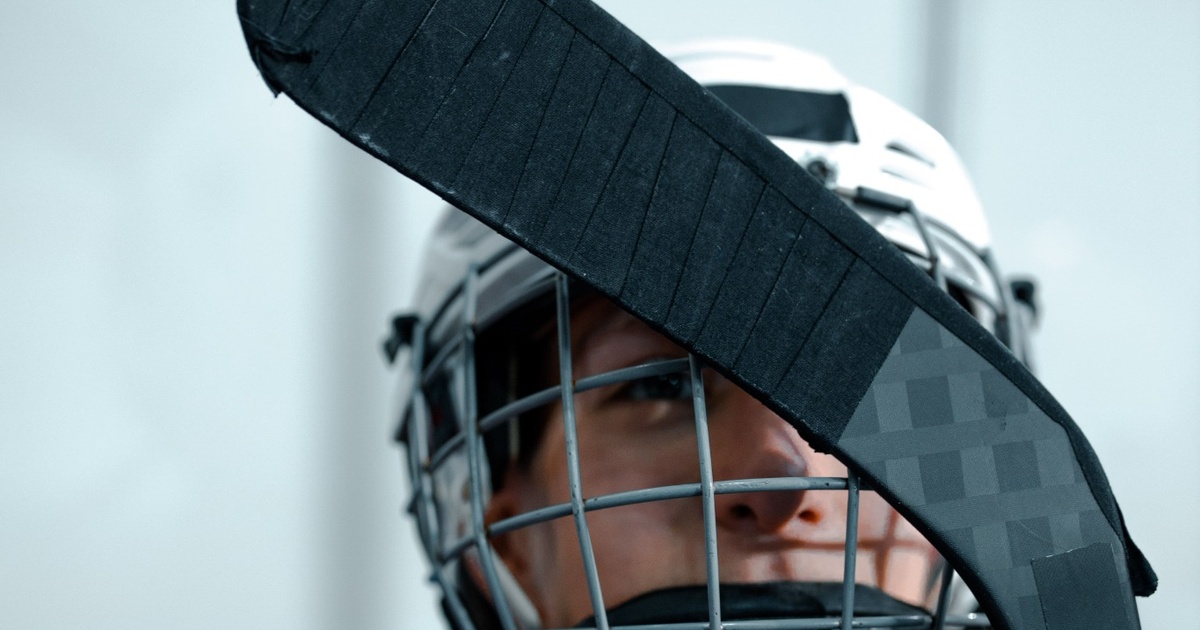
Every player develops a preferred way of preparing a stick. Some like a thick, heavily textured blade, while others prefer a lighter tape job that provides a more direct connection with the puck. This makes hockey tape one of the most useful accessories a player can keep in their bag.
Tape can provide grip, protect the blade from everyday wear, and create a familiar surface for passing, shooting, and stickhandling. The width, texture, tension, and application technique can all influence the final feel.
For players who go through tape quickly, the Howies 36mm Stick Tape 7 Pack provides a convenient multi-roll option. The Blue Sports 24mm x 47m Stick Tape offers another choice for players who prefer a narrower width, while the Howies 36mm Stick Tape 4 Pack can be useful for those who want a smaller supply.
Another option is Blue Sports Stick Tape, which gives players another product to consider when comparing different tape characteristics.
There is no universally correct taping method. Some players start at the heel and work toward the toe, while others use different patterns depending on their preferences. What matters most is consistency. Once you find a tape job that gives you the control and feel you want, repeating it can make your stick feel more predictable from one session to the next.
Tape also deserves a permanent place in your emergency kit. A damaged blade during warm-up is frustrating, but it becomes a much smaller problem when you have an extra roll ready.
Wax can also become part of a player's stick-preparation routine. Applied over the taped blade, it may help influence the surface feel and reduce the amount of moisture that reaches the tape. As with tape, the ideal amount is largely a matter of personal preference and experimentation.
2. Which Puck Should You Take to Practice?
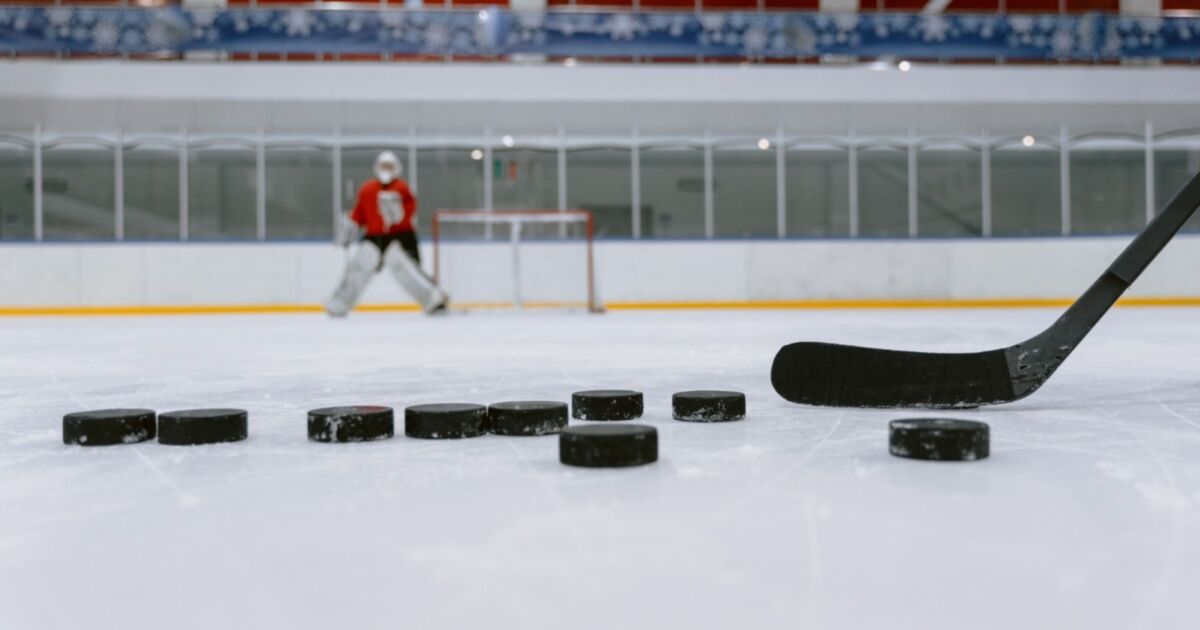
Not every training session needs to use the same puck. Different hockey pucks can create different challenges, making them useful for players who want to develop their hands beyond standard game situations.
The Green Biscuit Pro Puck is designed for off-ice stickhandling and can be particularly useful when players want to work on their hands outside the rink. For broader training applications, the Bauer Multi Surface Puck provides another option to consider.
The Blue Sports True Feel Puck can also become part of a varied training collection. Using different puck designs can encourage players to adjust their touch, reaction speed, and control rather than becoming comfortable with only one type of movement.
The key is matching the puck to the intended surface. A training puck designed for off-ice practice should be used appropriately rather than treated as a direct substitute for a regulation game puck.
Balls add another dimension to training. Street hockey balls are particularly useful for players who want to practice away from the ice because they can be used on suitable surfaces for stickhandling, passing, shooting, and coordination drills.
The CCM Bandy Ball is one option for players building an off-ice training collection. The Howies Hockey Ball provides another alternative, while the Bauer No Bounce Ball can be useful for drills where controlled movement is particularly important.
The lighter weight and different movement of a ball force players to make adjustments with their hands. That can make simple-looking drills surprisingly challenging and can help develop reactions that transfer into more demanding hockey situations.
3. Can Your Training Setup Work Beyond the Rink?
One of the biggest advantages of hockey accessories is their versatility. A player does not need to be standing on ice every time they want to work on stick skills.
A driveway, garage, training surface, or other appropriate area can become a useful practice environment when the right equipment is available. The key is choosing products that match the surface and the skill you want to develop.
For example, an off-ice puck can be useful for repetitive stickhandling patterns, while a training ball can challenge quick hand movements and coordination. Rather than randomly switching between products, create drills around specific objectives. You might spend one session focusing on quick hands, another on receiving passes, and another on shooting mechanics.
This approach makes your equipment more valuable because every accessory has a purpose.
A well-organized collection of hockey accessories should also include the small items that make preparation easier. Keep your preferred tape stocked, store training pucks where they are easy to access, and inspect your equipment regularly.
Even skate accessories can form part of the same preparation system. Spare laces, blade protection, and other skate essentials may not directly improve your stickhandling, but they help ensure that your entire equipment setup is ready before practice begins.
Organization is especially valuable for players who train frequently. Instead of searching through a crowded bag, you should be able to reach for the equipment you need immediately and start your session without unnecessary delays.
4. Build a Stick-Accessory Kit That Matches Your Game
The best collection is not necessarily the one with the most products. It is the one built around your actual needs.
If puck control is your priority, keep training pucks and balls that allow you to repeat stickhandling drills consistently. If you are focused on shooting, choose training equipment that lets you work on technique without constantly worrying about whether the surface is suitable. If your biggest concern is stick feel, spend more time experimenting with tape application and blade preparation until you find a setup that feels natural.
Keep backup tape in your bag, particularly if you play or train regularly. Store pucks and balls properly so they are always ready for the next session. Replace worn supplies before they become an emergency rather than waiting until you discover an empty roll or damaged training product just before practice.
The Blue Sports True Feel Puck, Howies Hockey Ball, and Bauer No Bounce Ball can each serve different training purposes, while products such as the Green Biscuit Pro Puck can make off-ice stickhandling more accessible.
Ultimately, accessories should make your hockey routine more efficient, not more complicated. A reliable tape supply, suitable training pucks, versatile balls, and a well-organized equipment bag create more opportunities to work on the details that matter.
The difference often comes from those details. When your blade has the exact feel you prefer, your training equipment is ready to go, and your stick is prepared before you step onto the ice, you eliminate small distractions and create more room for focused practice. Over time, those extra repetitions and consistent habits can turn simple equipment choices into meaningful improvements in the way you handle, pass, shoot, and control the puck.