
Hockey Gloves Buying Guide: Fit, Protection and Feel
Choosing the right pair of hockey gloves is about finding the balance between protection, mobility, comfort, and feel. Gloves are involved in almost every part of the game. They protect your hands from sticks, pucks, falls, and contact while still allowing you to control the stick with precision.
For new and experienced players alike, the most expensive option is not automatically the best choice. A glove that fits your hands properly and allows natural movement can be far more useful than a premium model that feels restrictive.
Why Does Fit Matters So Much?
The first thing to consider when buying hockey gloves is fit. Your fingers should reach comfortably toward the ends of the finger stalls without being forced against them. At the same time, there should not be so much extra room that your hand moves around inside the glove.
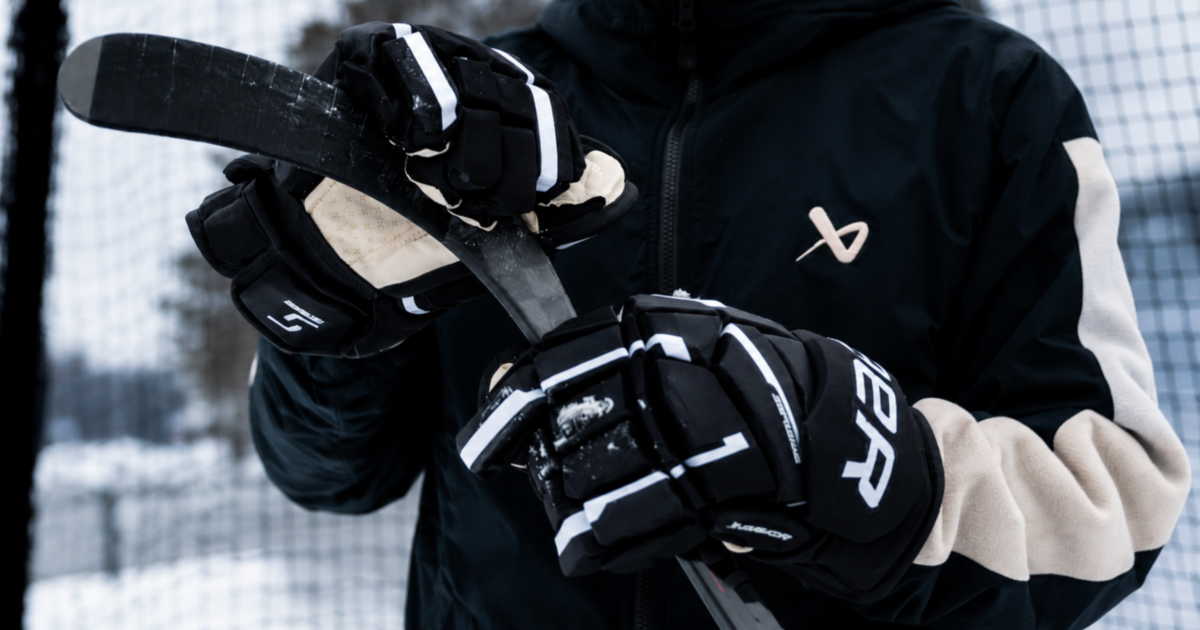
A properly fitted glove should stay secure while you grip the stick, pass, shoot, and handle the puck. Try holding a stick while wearing gloves before making a decision. This gives you a much better idea of how the gloves actually feel during play.
Different manufacturers and glove lines can have noticeably different internal shapes. Some feel more anatomical and close to the hand, while others provide a roomier fit. Your personal preference matters, but excessive movement inside the glove is generally something to avoid.
Protection Without Losing Mobility
Good gloves need to protect the fingers, back of the hand, and wrist area without making the player feel as though their hands are trapped.
The level of padding and construction can vary significantly between models. Players who frequently battle along the boards may prioritize protection, while someone who relies heavily on stickhandling may place more emphasis on flexibility and finger movement.
Remember that gloves are only one part of your overall protective gear. They should work alongside your helmet, shoulder protection, elbow pads, pants, and shin guards rather than being considered in isolation.
Palm Feel and Stick Control
The palm is one of the most important parts of a hockey glove because it determines how directly you feel the stick. A thin, flexible palm can provide excellent sensitivity, while a more durable palm may be preferable for players who regularly wear through their equipment.
Some players like a snug palm because it gives them a strong connection with the stick. Others prefer a slightly more relaxed feel for comfort during longer practices.
When trying gloves, grip the stick normally and move your hands as you would during a game. Make a few stickhandling movements and simulate a shot. If the palm folds awkwardly or the fingers struggle to move naturally, try another model.
Comparing Popular Glove Options
Players have plenty of models to choose from, and the differences are often found in fit, construction, and overall feel.
The Warrior Alpha LX3T Senior Ice Hockey Gloves are an example of a senior glove designed for players looking for a combination of protection and mobility.
Another option is the CCM Tacks XF Senior Ice Hockey Gloves, which belong to CCM’s Tacks line and are designed with a focus on protection and a responsive fit.
The Bauer Supreme F40 Senior Ice Hockey Gloves provide another choice for players comparing gloves within the senior category. When evaluating different models, it is worth trying several on rather than assuming that one brand’s sizing will feel identical to another’s.
Fit Profiles Can Change the Experience
The shape of the glove around your hand can make a surprising difference. Some players prefer a close anatomical feel, while others want more room around the fingers and palm.
The Warrior Alpha LX3 Pro Senior Ice Hockey Gloves are another model that players may encounter when comparing Warrior options. Meanwhile, the CCM Tacks XR Senior Ice Hockey Gloves offer another example from CCM’s Tacks range.
There is no universal fit that works for every player. Even if two gloves have the same listed size, their internal construction can make them feel quite different.
Consider How Often You Play
Your playing schedule should influence your choice. Someone who plays once a week recreationally may have different priorities from a player who trains several times a week and competes regularly.
Frequent players put more wear on their palms, fingers, and outer materials. Durability therefore becomes increasingly important.
The Bauer Vapor Flypro Senior Ice Hockey Gloves are one option for players comparing models designed for regular hockey use. The Warrior Covert Deluxe Senior Ice Hockey Gloves provide another alternative for players who prefer the feel of Warrior’s Covert range.
If you play frequently, inspect the stitching, palm, cuff, and protective padding before buying. Small signs of poor construction can become much more noticeable after months of regular use.
Older Models Can Still Be Worth Considering
A newer model is not necessarily the only sensible choice. Previous-generation gloves can offer good performance, particularly if you find a pair that has been stored properly and fits your hands well.
For example, the CCM Tacks XR80 Senior Ice Hockey Gloves may still appeal to players who prefer that generation of equipment or find a suitable pair at a reasonable price.
The same principle applies to other older or discontinued models. Check the condition carefully, especially around the palms, seams, cuffs, and protective padding. New-old-stock equipment can be very different from heavily used second-hand gloves.
Checking the Cuff and Wrist Area
The cuff affects both protection and mobility. A shorter cuff may provide more freedom around the wrist, while a longer design can offer additional coverage.
Try moving your wrists in all directions while wearing gloves. You should be able to control the stick without the cuff constantly pressing against your forearm.
The Bauer Supreme Fuse Senior Ice Hockey Gloves are another model to consider when comparing different glove constructions and fits. As with any equipment choice, the best option is the one that feels secure without restricting your normal movement.
Gloves Should Work With the Rest of Your Equipment
Your gloves should fit comfortably alongside your other equipment. Make sure the cuff does not interfere with your elbow pads and that your sleeves do not create uncomfortable bunching around the wrist.
Other protective accessories can also affect comfort. For example, players may wear base layers, wrist protection, or other equipment underneath their main gear. Everything should work together without creating unnecessary pressure points.
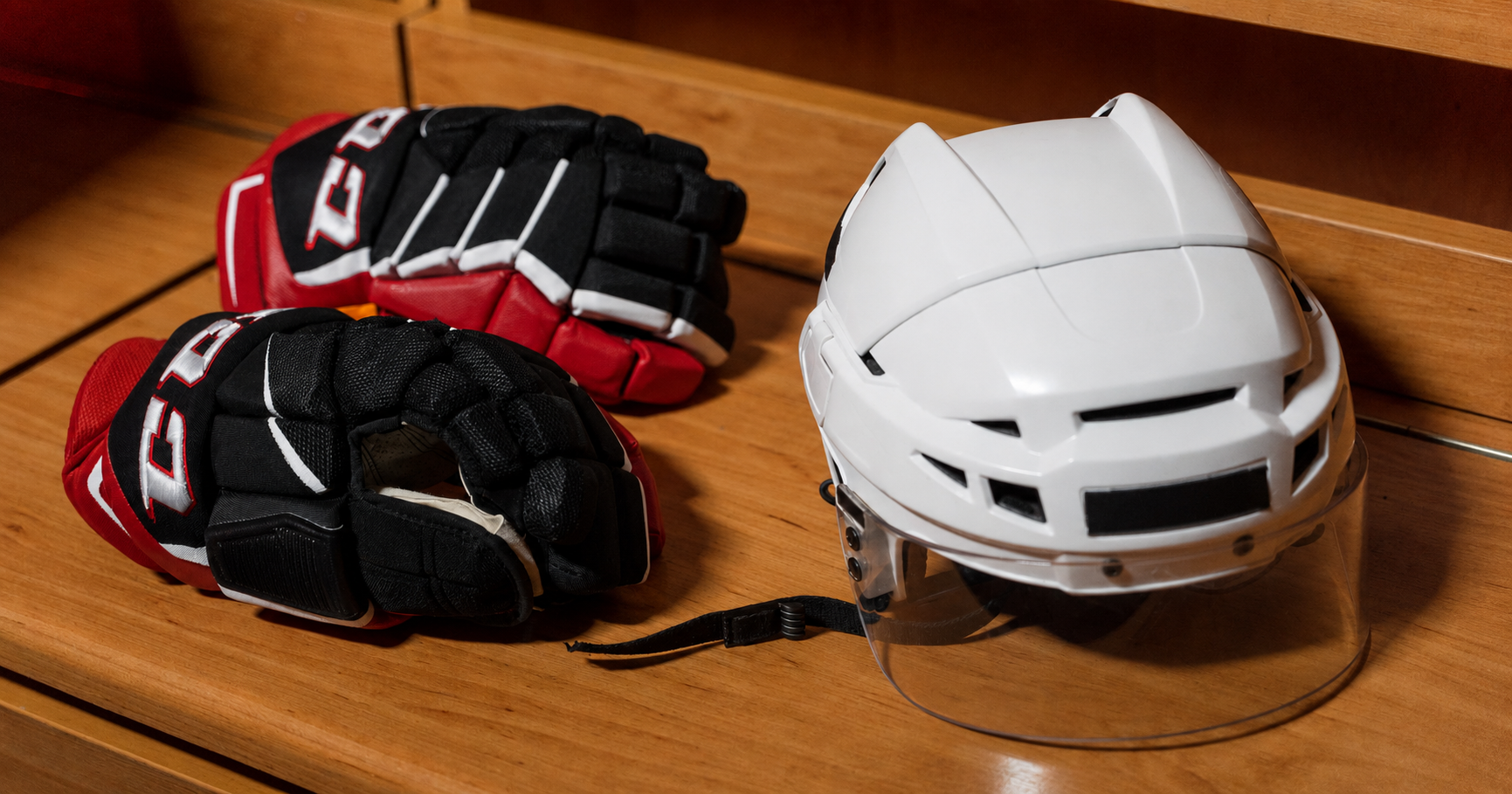
A properly fitted helmet is also essential, so do not overlook your hockey helmets when checking your overall equipment setup. Hockey protection works best when each component is correctly fitted and maintained.
Don’t Forget Athletic Protection
Although it has nothing to do with the hands directly, athletic protection is another important part of a complete equipment setup. Jocks and jill shorts are designed to provide support and protection in a sensitive area and are worn underneath the player’s outer equipment.
Choosing the appropriate size is important here as well. The garment should remain secure during skating and movement without causing discomfort.
More Glove Options to Consider
The Warrior Alpha Deluxe LT Senior Ice Hockey Gloves are another option for players comparing senior gloves. As with the other models, the specifications matter, but personal fit should ultimately have a major influence on the decision.
When trying several gloves, compare them while holding the same stick. Notice how easily your fingers bend, how much movement you have around the thumb, and whether the palm feels connected to the stick.
A glove can feel excellent when your hand is relaxed but become uncomfortable once you grip the stick tightly. Testing it in a realistic position gives you a much more useful impression.
Getting the Right Balance
There is no single hockey glove that is perfect for every player. Some prioritize maximum protection, others want a lightweight feel, and many are looking for a middle ground.
Start with the fit, then consider protection, palm construction, mobility, durability, and price. Do not be afraid to try several models before deciding. A glove that feels natural from the first few minutes is usually a better starting point than one that requires you to adapt your hand position.
For regular players, inspecting the gloves throughout the season is also worthwhile. If the palm becomes excessively worn or the protective padding shifts or deteriorates, replacement may be necessary even if the gloves still look usable from the outside.