
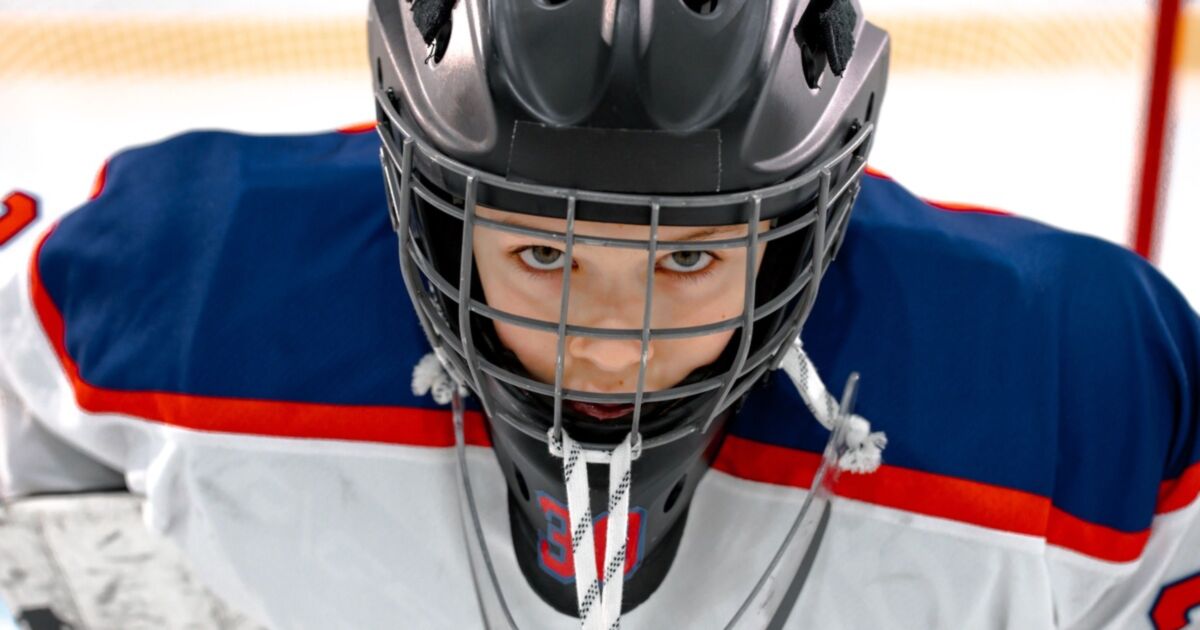
Goalie Masks and Chest Protectors: Complete Buying Guide
For a goaltender, protection is not simply about wearing more padding. The real challenge is finding equipment that can absorb impact while still allowing you to move, track the puck, and react instinctively. Your mask protects the most vulnerable area, while your chest protector needs to move with your body through every save and recovery.
Choosing these pieces deserves careful attention because fit affects both safety and performance. A mask that shifts or a chest protector that restricts your arms can become a distraction at exactly the wrong moment. The best setup should feel secure, natural, and dependable from the first face-off to the final whistle.
The First Rule: Protection Cannot Be an Afterthought
Your goalie equipment needs to work as one complete system. A mask, chest protector, pants, gloves, and other protective pieces all interact as you move around the crease.
The goal is not simply maximum coverage. You also need enough freedom to rotate your shoulders, raise your arms, drop into the butterfly, move laterally, and recover quickly. Modern chest protectors are specifically designed to balance coverage with mobility, but personal fit remains critical.
Before choosing a model, think about the level at which you play, how frequently you are on the ice, and which areas of your current setup feel uncomfortable or exposed.
Your Mask Should Become Invisible During the Game
A properly fitted mask should sit securely against your head without obvious gaps between the padding and your head. It should remain stable as you move and provide clear vision across the entire crease.
When comparing goalie masks, consider shell construction, interior padding, cage design, ventilation, chin positioning, and overall fit. Your vision is especially important: you need to track the puck through traffic without the cage or mask geometry becoming distracting.
For senior players, the Bauer Contour 2 Senior Facemask is one model worth considering. The Warrior Ritual F2E Ce Senior Goalie Mask offers another option, while the Hejduk Chrom Senior Facemask provides a different design to compare.
Younger players require particular attention to sizing. The CCM Axis F5 CCE Youth Goalie Mask is designed for youth players, but the correct choice should always be based on the player's actual measurements rather than buying a larger mask for future growth.
When the Cage Becomes Part of Your Sightline
The cage may look like a relatively simple component, but its position and construction can affect how naturally you see the puck.
When selecting replacement cages, compatibility should be the first consideration. A cage needs to be designed for the specific mask model and securely attached according to the manufacturer's specifications.
Once installed correctly, evaluate your sightline. Look from side to side, track an imaginary puck above the crease, and check your peripheral vision. A good cage should provide necessary protection without constantly drawing your attention.
The Chest Protector Has a Bigger Job Than You Think
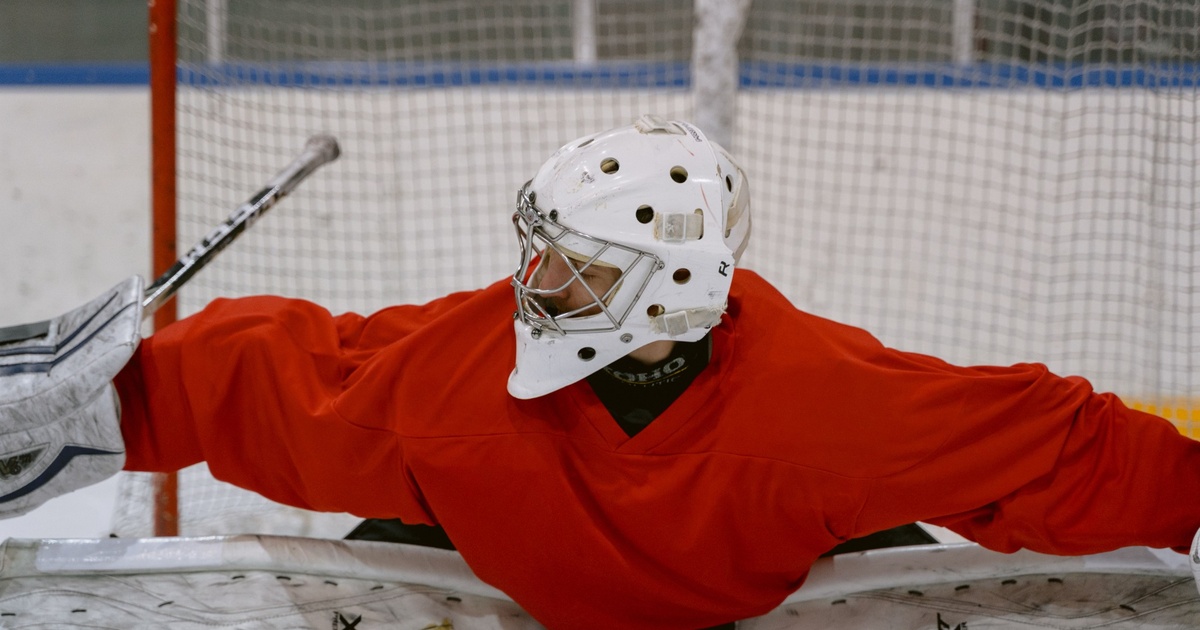
A chest protector moves with you through almost every action. Your shoulders rotate as you follow the puck, your arms move when catching or blocking, and your torso shifts during butterfly movements and lateral pushes.
That makes goalie chest and arm protectors particularly personal pieces of equipment. The protector should sit securely while providing broad coverage without limiting your range of motion. The waist should work naturally with your pants, and the arms should allow your glove and blocker to move freely.
Senior goalies can compare the Bauer GSX Senior Goalie Chest Arm Protector, CCM Pro Spec Senior Goalie Chest Arm Protector, and Warrior X3 Pro Senior Goalie Chest Arm Protector. The Brians Optik 3 Senior Goalie Chest Arm Protector provides another option. At the same time, the Bauer Elite Senior Goalie Chest Arm Protector can also be considered when comparing different construction and fit preferences.
The Best Fit Reveals Itself When You Move
Trying on a chest protector while standing still tells you only part of the story. A proper fitting process should include the movements you actually make during a game.
Raise both arms as if you are catching a high shot. Move your blocker hand into position. Rotate your shoulders. Drop into your stance and simulate a lateral push.
Pay attention to the shoulder floaters, arm sections, waist, and belly area. The protector should remain securely positioned without interfering with your head, mask, gloves, or pants. Trying the chest protector with your goalie pants is particularly useful because the overlap between the two pieces is an important part of overall coverage.
When choosing goalie equipment, both protection and mobility are essential. A reliable facemask such as the CCM FM70 Senior Facemask can provide essential head protection, while the CCM Extreme Flex 7 XP Senior Goalie Chest Arm Protector offers additional coverage and flexibility for confident movement in the crease.
Tight, Comfortable, or Somewhere in Between?
There is no single fit preference that every goalie shares. Some players prefer a closer, more mobile fit, while others want additional coverage and a more substantial feel.
You may also need to decide whether you prefer wearing the belly section tucked into your pants or outside them. Both approaches can work, but the choice affects how the protector sits and how much overlap you have around the waist.
The important thing is consistency. Your preferred fit should remain comfortable when you move aggressively, not just when you are standing upright.
Don't Let Heat Become Your Secret Opponent
Goaltending is demanding, and moisture can quickly turn comfortable equipment into a distraction. Small goalie accessories can make daily preparation and maintenance easier.
The Blue Sports Goalie Mask Sweat Bands, for example, can help manage moisture around the mask during practices and games.
After every session, allow your equipment to dry properly in a well-ventilated area. Avoid leaving a damp chest protector or mask compressed inside a closed equipment bag for extended periods. Regular drying and maintenance can help preserve materials, straps, and padding while keeping the gear more comfortable.
Don't Choose Protection by Brand Name Alone
A familiar brand can be a useful starting point, but it should never replace proper fitting. Two goalies can wear the same model and experience completely different levels of comfort because body proportions and preferences vary.
For a mask, measure your head according to the manufacturer's instructions and look for a secure, stable fit. For a chest protector, measurements such as arm span can help narrow down sizing, but trying the equipment on remains one of the most reliable ways to assess it.
Instead of asking only, “Which model is best?”, ask a better question: “Which model solves the problems I currently have?”
Test It Like a Goalie, Not a Customer
The most revealing equipment test begins when you stop standing still.
Put on the mask and move your head naturally. Look across both posts. Follow an imaginary puck from the corner to the slot. Check whether the cage remains outside your natural line of vision.
Then test the chest protector through your normal movements. Reach, rotate, crouch, drop, recover, and simulate saves. If a shoulder floater catches against your mask or an arm section restricts your glove movement, you have discovered something important before taking the equipment onto the ice.
The right gear should support your movement rather than demand that you change it.
Build Confidence Into Every Layer
A great protective setup does more than absorb shots. It creates the confidence to challenge the play without hesitation.
Your mask should stay stable when the puck is moving through traffic. Your chest protector should provide coverage without making your shoulders and arms feel trapped. Your cage should protect without dominating your sightline. And your smaller accessories should make preparation and maintenance easier rather than adding unnecessary complications.
Take the time to measure, test, move, and compare. When the equipment fits correctly and works together, protection stops being something you consciously think about. You can turn your attention back to the shooter, read the developing play, and react with the confidence that your equipment is ready for whatever comes next.