
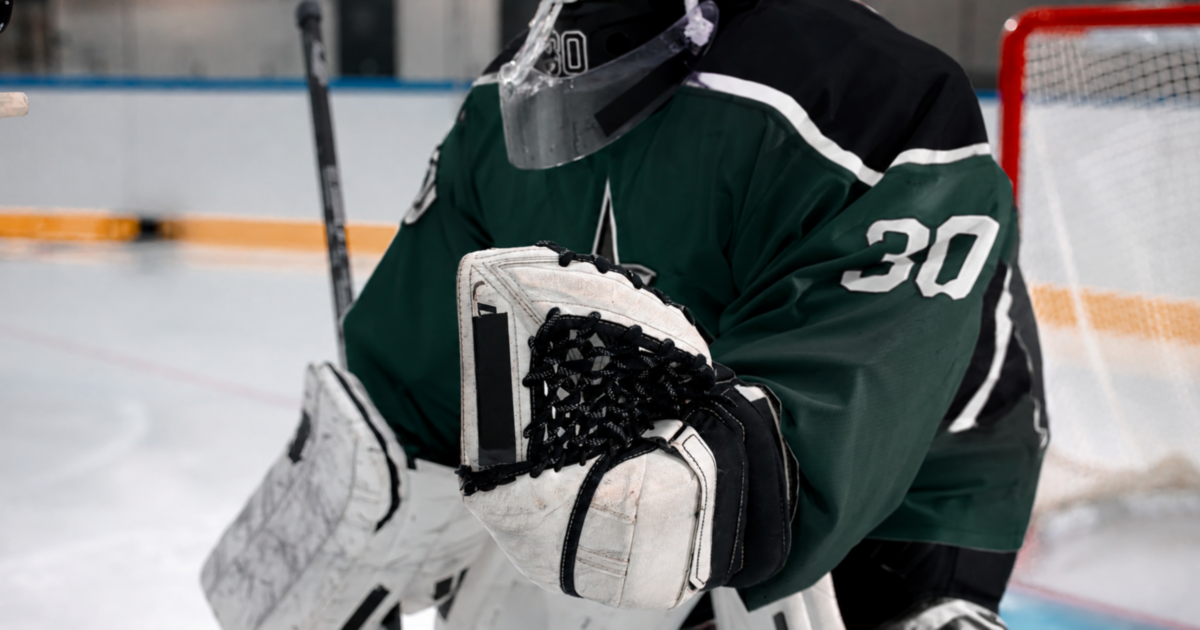
Goalie Catch Gloves and Blockers Buying Guide
A goalie’s hands are among the most active parts of their equipment setup. Every shot demands a quick reaction, whether you are catching the puck cleanly, steering it away with the blocker, or making a last-second save from close range. That makes choosing the right glove and blocker about much more than appearance or brand preference.
The ideal combination should feel comfortable, protect your hands, complement your technique, and work naturally with the rest of your setup. With different break angles, pocket designs, blocker shapes, and fits available, understanding the key differences can help you make a smarter decision.
The Two Hands That Can Change the Game
When comparing goalie catch gloves, start with the way the glove feels on your hand. A catching glove should allow you to close your hand naturally while maintaining a secure fit and comfortable finger positioning.
The pocket is particularly important. Some goalies prefer a deeper pocket that helps secure the puck, while others prefer a more responsive feel that allows quick releases. Break angle is another major consideration because it affects the glove’s natural closing motion.
For senior players, the Vaughn Ion 70 Pro Select Senior Goalie Glove Catcher is one option worth exploring. The Bauer Flylite Senior Goalie Glove Catcher provides another design to compare, while the CCM Tacks Pro Senior Goalie Glove Catcher offers a further alternative. Players interested in Brian’s equipment can also consider the Brians Eclipse Senior Goalie Glove Catcher and compare its feel with other models.
There is no universal glove that will suit every goalie. Hand size, preferred break angle, playing style, and personal comfort all matter.
The Blocker Is More Than a Shield
While the catching glove gets much of the attention, goalie blockers play an equally important role. A blocker needs to protect the hand and forearm while giving you a reliable surface for redirecting shots.
When evaluating a blocker, consider the size of the blocking surface, hand position, cuff protection, palm comfort, and overall weight. The blocker should feel balanced and allow you to position your hand quickly without unnecessary strain.
The Vaughn VX1 Pro Carbon Senior Hockey Goalie Blocker is one model to consider when comparing senior equipment. The Mission GB Slyde 1 Senior Hockey Goalie Blocker offers another option, while the Bauer Supreme Fuse Senior Hockey Goalie Blocker provides a different design for players evaluating their choices.
Another model worth comparing is the CCM Tacks Pro Senior Hockey Goalie Blocker, while the Brians Eclipse Senior Goalie Blocker gives players another option within Brian’s range.
The most important consideration is control. Your blocker should feel stable when you make a save and predictable when directing the puck away from danger.
Match the Glove to Your Style
Different goalies develop different preferences for how their glove should operate. Some prefer an aggressive, forward-facing position, while others like a more relaxed setup. Your catching technique should therefore influence your decision.
Think about how you naturally catch the puck during practice. Does the glove close easily? Can you reach comfortably for shots outside your body? Does the pocket hold the puck securely? Can you quickly release the puck when you need to make a breakout pass?
These practical questions are often more useful than simply comparing product specifications.
A glove that feels comfortable during repeated movements is more likely to become a reliable part of your technique. If you are constantly fighting the glove’s natural movement, it may not be the right choice for you.
Finding the Right Blocker Position
Blocker positioning can have a major impact on reaction speed. Your hand should sit comfortably inside the glove without excessive movement or pressure.
A good blocker should allow you to maintain a natural stance while keeping the blocking surface ready. It should also provide enough protection around the fingers, wrist, and forearm without becoming unnecessarily bulky.
Consider how the blocker feels alongside your other goalie equipment. Your stance, chest protector, stick, glove, and pads all influence the position of your hands. A blocker that feels excellent by itself may feel different when worn with your complete setup.
Your Gloves Need to Work With Your Pads
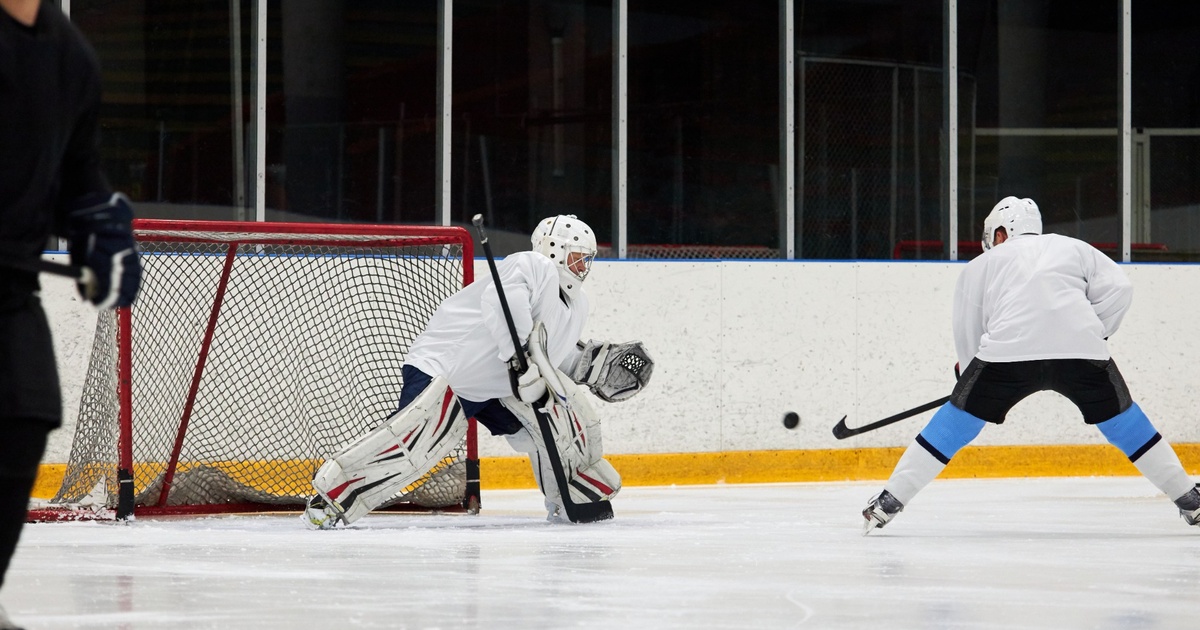
Although gloves and blockers are often purchased separately, they are part of a larger system. Your leg pads influence your stance and movement, which in turn affects your hand positioning.
A goalie with a wide butterfly stance may position their hands differently from a player who relies more heavily on an upright stance. Similarly, changes to your pads or chest protector can subtly affect how your gloves sit.
This is why it is valuable to test your glove and blocker with as much of your regular equipment as possible. The goal is to create a setup in which every component supports the same movement patterns.
Don't Forget the Details Around the Gloves
The small pieces of your setup can also influence comfort. Practical goalie accessories can help with equipment maintenance, storage, and preparation, while replacement components can help keep frequently used gear functioning properly.
Accessories should not be an afterthought, particularly for goalies who train and compete regularly. Keeping your equipment clean, dry, and properly maintained can help preserve its condition and ensure that your gloves and blocker remain comfortable throughout the season.
A well-maintained glove can also maintain a more consistent feel, which is important when you rely on precise hand movements to make saves.
Try Before You Commit
Online specifications can provide useful information, but nothing replaces actually putting the equipment on your hand.
When trying a catching glove, repeatedly open and close it. Move your fingers, test the wrist position, and simulate catching movements. Models such as the Bauer Supreme Fuse Senior Goalie Glove Catcher can be compared in person to assess how the glove feels in your hand and whether its closure and positioning suit your technique. Pay attention to pressure points and whether the glove feels secure.
For blockers, move your hand through the positions you use during a game. Check whether the palm feels comfortable and whether you can move the blocker naturally from side to side.
If possible, test several models side by side. Small differences in shape and construction can become very noticeable once you start moving.
Think Beyond the First Impression
A glove or blocker may feel unusual during the first few minutes simply because it differs from your previous equipment. Give yourself some time to understand how the product responds.
However, there is a difference between needing an adjustment period and experiencing genuine discomfort. Persistent pressure, restricted movement, poor hand positioning, or an inability to perform normal save movements are signs that the equipment may not be the right fit.
The best choice should eventually feel natural enough that you stop thinking about the equipment altogether.
Build Confidence One Save at a Time
The right catching glove and blocker should give you confidence when the puck comes toward the net. You should trust your glove to close when you reach for a shot and your blocker to protect your hand while directing the puck away from danger.
Rather than choosing equipment solely by model name or visual design, focus on fit, movement, protection, and how each piece supports your individual technique. Compare different options, test them with your existing setup, and give yourself enough time to understand how they perform.
When the glove closes naturally, the blocker feels balanced, and both work seamlessly with the rest of your equipment, your hands become an asset rather than something you have to think about. That confidence can make the difference between simply reacting to a shot and being ready for it before it arrives.