
Goalie Bags: Carrying Bulky Gear the Easy Way
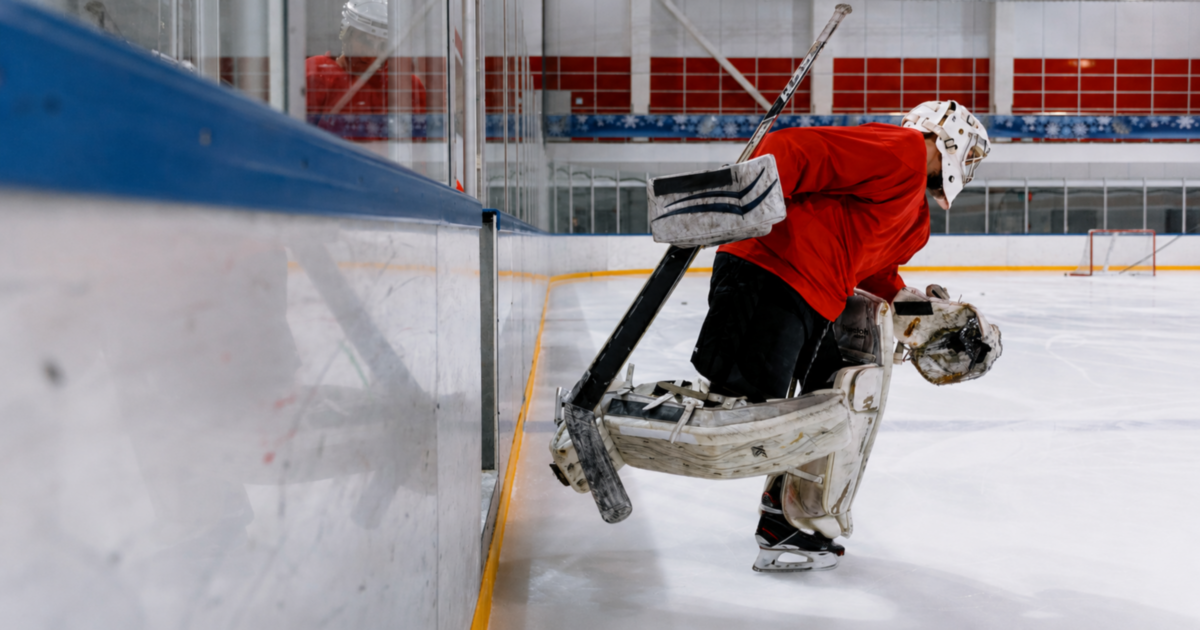
Goaltenders know that getting ready for the rink involves more than simply grabbing a stick and a pair of skates. Pads, gloves, chest protection, helmet, blocker, clothing, and smaller essentials quickly create a substantial load. That is why choosing the right goalie bags can make a real difference to the everyday hockey routine. A well-designed bag keeps bulky equipment manageable, protects valuable gear, and makes the journey from the car to the locker room much less demanding.
Unlike standard equipment storage, goalie bags need to accommodate unusually large and oddly shaped items. The best option should provide enough room without becoming unnecessarily difficult to handle. Whether you prefer a traditional carry design, a wheeled model, or a more compact bag for smaller essentials, the goal is simple: make transportation easier without sacrificing organization.
Built for the Goalie’s Bigger Load
A regular set of hockey bags can work perfectly for skaters, but goaltenders often need considerably more space. Leg pads alone can occupy a large portion of a conventional compartment, while the chest protector, mask, gloves, and other protective equipment add further bulk.
This is where a purpose-built goalie bag becomes valuable. The Bauer Pro Carry Senior Hockey Goalie Bag offers a traditional carry format for players who prefer straightforward storage and easy access. Its generous design makes it possible to organize larger pieces of equipment without trying to force everything into a compact space.
The Brians Sterling Senior Hockey Goalie Bag is another option for goalies comparing carry-style storage. A traditional bag can be particularly practical when you normally drive to the rink and only need to carry the equipment a relatively short distance.
The CCM Pro 42 Hockey Goalie Bag also provides another option when considering larger goalie-focused storage. When comparing models, pay attention not only to overall dimensions but also to how the bag opens. A wide opening can make it significantly easier to place pads and other bulky items inside without excessive rearranging.
When Wheels Take the Weight Off Your Shoulders
For many goaltenders, the biggest advantage a bag can offer is not additional capacity but easier transportation. Once the complete set of equipment is packed, lifting it can become uncomfortable, especially when moving through large arenas or traveling to tournaments. That is where wheeled designs become particularly attractive. The CCM 580 Premium 40 Hockey Goalie Wheel Bag provides a wheeled option for goalies who want to move a substantial amount of equipment without carrying the entire load.
The Vaughn VX1 3 Intermediate Hockey Goalie Wheel Bag offers a wheeled solution for intermediate players, while the Brians Wheel Senior Hockey Goalie Wheel Bag provides another senior option. For younger or smaller goalies, the Brians Wheel Intermediate Hockey Goalie Wheel Bag can also be considered when looking for equipment transportation with less lifting.
Wheels are especially useful when the route to the locker room involves long corridors, parking areas, or multiple trips between locations. However, the quality and practicality of the wheel system matter. Consider the surfaces you normally travel across and whether the handle feels comfortable when the bag is fully loaded.
A wheeled bag can also make tournament travel easier because the equipment can be moved with considerably less physical effort. For goalies who regularly carry every piece of gear themselves, that convenience can quickly become one of the most appreciated features of the entire equipment setup.
Organization Matters More When Every Piece Is Oversized
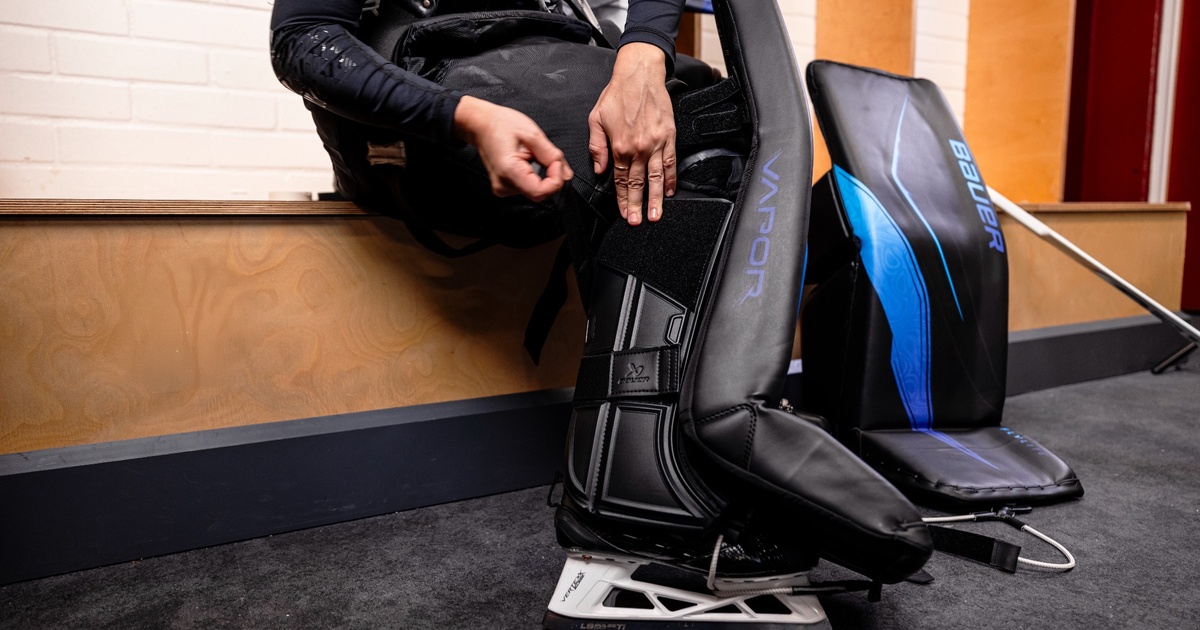
Having enough room is only half the solution. A goalie bag should also make it easy to identify and retrieve individual pieces of equipment. When everything is thrown into one large compartment, preparation can become frustrating, and smaller accessories can disappear underneath heavier gear.
That is why some goalies benefit from creating a consistent packing system. Pads can be positioned first, followed by larger protective pieces, while smaller items are kept toward the top or in accessible pockets. Keeping the same arrangement after every practice makes preparation faster and helps prevent forgotten equipment.
The same principle applies to player bags in general. A good storage system should reflect what you actually use rather than simply maximizing capacity. If an item is needed before every game, it should not be buried at the bottom of the bag.
Smaller equipment deserves its own solution too. Puck bags can keep practice pucks together and make them easier to transport, particularly for training sessions or teams that need to carry a larger supply. A dedicated Blue Sports Deluxe Puck Bag can be a practical option for keeping those pucks organized.
It is also worth remembering that hockey equipment should not remain sealed while damp for extended periods. After practice, open the main bag and allow the equipment to dry properly. Better ventilation and consistent drying habits can help keep gear fresher and make the bag itself more pleasant to use.
Backpacks Are for the Gear That Travels Separately
Not everything has to go inside the main goalie bag. Some items are easier to carry separately, particularly personal belongings, smaller accessories, documents, or equipment needed away from the rink.
That is where hockey backpacks can complement a larger goalie bag. Instead of trying to fit every small item around bulky pads and protective equipment, a separate backpack can keep essentials organized and immediately accessible. The Jackson JL500 Backpack is one option for players who want a dedicated backpack format. The Berio NHL Toronto Backpack provides another choice for carrying personal items separately from the main equipment load.
Using a backpack alongside a large goalie bag can create a simple two-part system: the main bag carries the heavy hockey equipment, while the backpack handles the smaller items you want close at hand. This can be particularly useful when traveling, attending tournaments, or spending an entire day at the rink.
The approach also prevents smaller belongings from getting lost inside a huge equipment compartment. Phone chargers, clothing, snacks, documents, and other personal items can remain separated from wet or bulky hockey equipment.
Make the Trip to the Rink Easier
Choosing a goalie bag ultimately comes down to understanding how you transport your equipment. A traditional carry design can be ideal for players who value simplicity and easy access. A wheeled bag can dramatically reduce the effort required to move a heavy load. A separate backpack can handle the smaller items that do not belong inside the main equipment compartment.
The most important consideration is not simply how much a bag can hold, but how comfortably and logically it allows you to carry everything you need. A spacious compartment is useful, but durable construction, practical handles, reliable wheels, useful access points, and sensible organization can make an even greater difference over time.
For goalies who prefer traditional storage, options such as the Bauer Pro Carry Senior Hockey Goalie Bag, Brians Sterling Senior Hockey Goalie Bag, and CCM Pro 42 Hockey Goalie Bag offer different approaches to carrying bulky equipment. Those who want less lifting can compare wheeled alternatives such as the CCM 580 Premium 40 Hockey Goalie Wheel Bag, Vaughn VX1 3 Intermediate Hockey Goalie Wheel Bag, Brians Wheel Senior Hockey Goalie Wheel Bag, and Brians Wheel Intermediate Hockey Goalie Wheel Bag.
The best setup may even combine several formats. A large goalie bag can handle the heavy equipment, a Blue Sports Deluxe Puck Bag can keep training pucks together, and a backpack can hold personal essentials.
The right bag should make one of the least glamorous parts of hockey noticeably easier. When every piece of gear has somewhere to go, and the entire load can be transported without unnecessary effort, arriving at the rink feels more organized from the very beginning. For a goaltender carrying some of the bulkiest equipment in the sport, that small improvement can make every practice, game, and road trip considerably more convenient.