
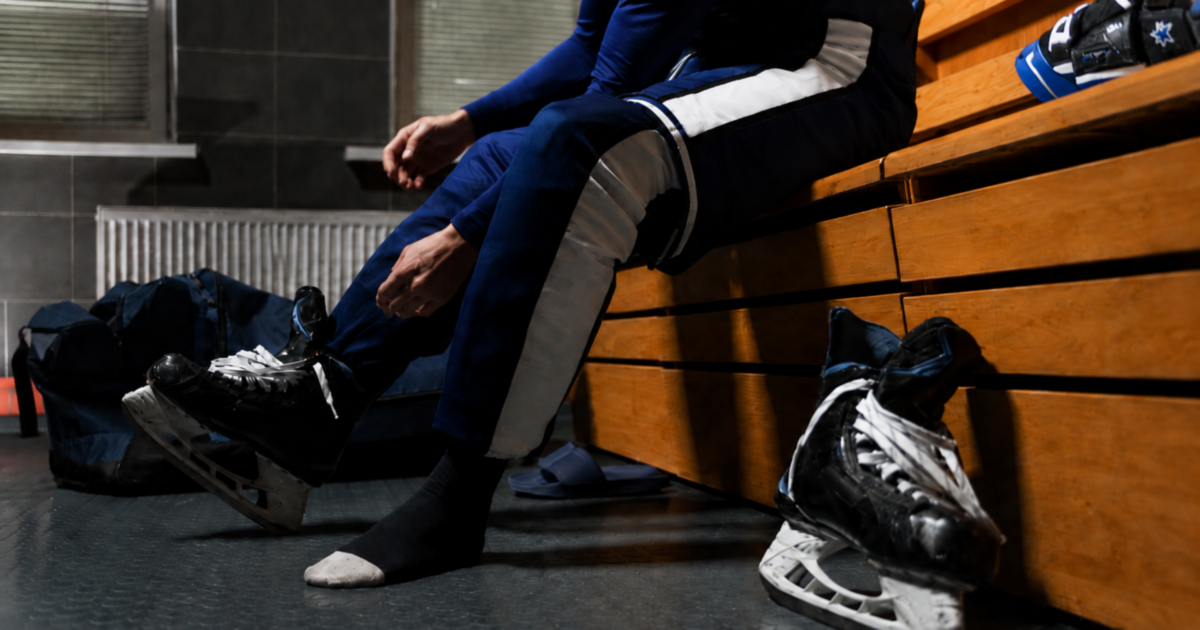
Essential Hockey Skate Accessories Every Player Needs
Hockey skates are engineered for speed, balance, and precision, but the skates themselves are only the beginning. The accessories surrounding them can have a surprisingly significant effect on comfort, fit, protection, and overall consistency on the ice. A worn lace, uncomfortable insole, damp sock, or damaged blade can quickly turn a good pair of skates into a source of distraction.
For serious players, skate accessories are not random extras thrown into an equipment bag. They are tools for fine-tuning the relationship between your feet and the ice. The right choices can help you create a more comfortable fit, protect expensive equipment between sessions, and make preparation more predictable.
What Can the Right Accessories Change?
Every stride, stop, crossover, and acceleration places demands on your feet. That means small issues inside your skates can become surprisingly noticeable over the course of a practice or game.
A smart collection of hockey accessories should solve practical problems rather than add more items to your bag. Some accessories help personalize your fit, others protect your blades, and several are designed to improve everyday comfort.
The most effective approach is to identify what your current skate setup lacks and choose accessories accordingly. If your laces constantly loosen, address that issue. If your feet move uncomfortably inside the boot, examine your insoles or socks. If your steel is exposed to moisture after every session, improve your blade-care routine.
Which Laces Give You the Feel You Want?
Your skate laces may look insignificant, but they play an important role in how your boots feel around the foot and ankle. Lace material, construction, length, and tension can all affect how securely your foot is held in position.
Traditional laces can provide a familiar, straightforward feel, while waxed options tend to maintain tension more firmly. Some players prefer the ability to adjust their lacing easily, whereas others like a setup that stays tight throughout a game.
The Bauer Hockey Fights Back Skate Laces are one option for players looking for a dedicated hockey lace. The Tex Style 1850 Waxed Skate Laces provide another alternative for those who prefer a waxed construction.
Whichever style you choose, keep a spare pair in your hockey bag. A broken lace is easy to solve when you have a replacement ready and surprisingly inconvenient when you do not.
Inside the Boot: The Components You Feel Most
The components inside a skate can be just as influential as the boot itself. Insoles and tongues affect how your foot sits inside the skate, how pressure is distributed, and how connected you feel to the boot.
A well-chosen insole can provide a stable foundation and improve the overall fit. Over time, however, insoles can compress and lose some of their original support. Replacing a worn insole can therefore be a worthwhile way to refresh the feel of an otherwise serviceable pair of skates.
The CCM Pro Pulse Insole is one option players can explore, while the Bauer Speed Plate 2.0 Insole offers another approach to foot positioning and skate customization.
Do not ignore the tongue either. Its position can affect the pressure created by your laces, particularly across the front of the ankle. A tongue that folds or shifts repeatedly may create discomfort and can be a sign that your lacing technique or overall fit needs attention.
Could Lace Bite Be Holding You Back?
Lace bite is one of those issues players often tolerate for too long. Pressure across the front of the ankle can become increasingly uncomfortable, especially during long practices or games.
The Blue Sports Lace Bite Protector Gel Pad can provide an additional cushioning layer between the foot and the skate's lacing system. For players who experience pressure in this area, an accessory like this can be a practical addition to their equipment setup.
Still, comfort accessories should not be used to hide a fundamentally incorrect skate fit. If pain or pressure continues, examine the boot size, tongue placement, lacing pattern, and foot position before simply adding more padding.
Why Should Blade Protection Be Non-Negotiable?
The moment you leave the ice, your skate blades enter a completely different environment. Concrete, locker-room floors, metal surfaces, and other hard materials can damage edges that were carefully sharpened for skating.
That is why blade guards should be considered an essential part of skate care. They protect the steel when you are walking off the ice and make transporting your skates much safer.
The Howies Guards Senior Skate Guards provide one option for players looking for practical blade protection. Another choice is the Blue Sports Trek Senior Skate Guards, which can also be used as part of a regular post-practice routine.
A simple rule is worth remembering: if you are not on the ice, your blades should not be touching hard surfaces. Making blade guards part of your normal routine can help protect the edges and reduce unnecessary wear.
Are Your Skate Socks Helping or Hurting?
Your skate socks sit directly between your skin and the skate liner, making them an important part of overall comfort. Thickness, material, fit, moisture management, and friction can all affect how your skates feel.
Too much material can create pressure inside a snug boot. Too little protection may increase friction or make the skate feel less comfortable. The best sock is therefore the one that complements the fit you already have.
For players who prefer additional warmth, the Bauer Warmth Senior Ice Hockey Skate Socks are an option to consider. Those looking for a thinner feel can compare them with the Warrior Thin Senior Ice Hockey Skate Socks. There is no universal winner between thick and thin socks. Your skate fit, foot shape, personal preference, and playing environment should determine which approach works best.
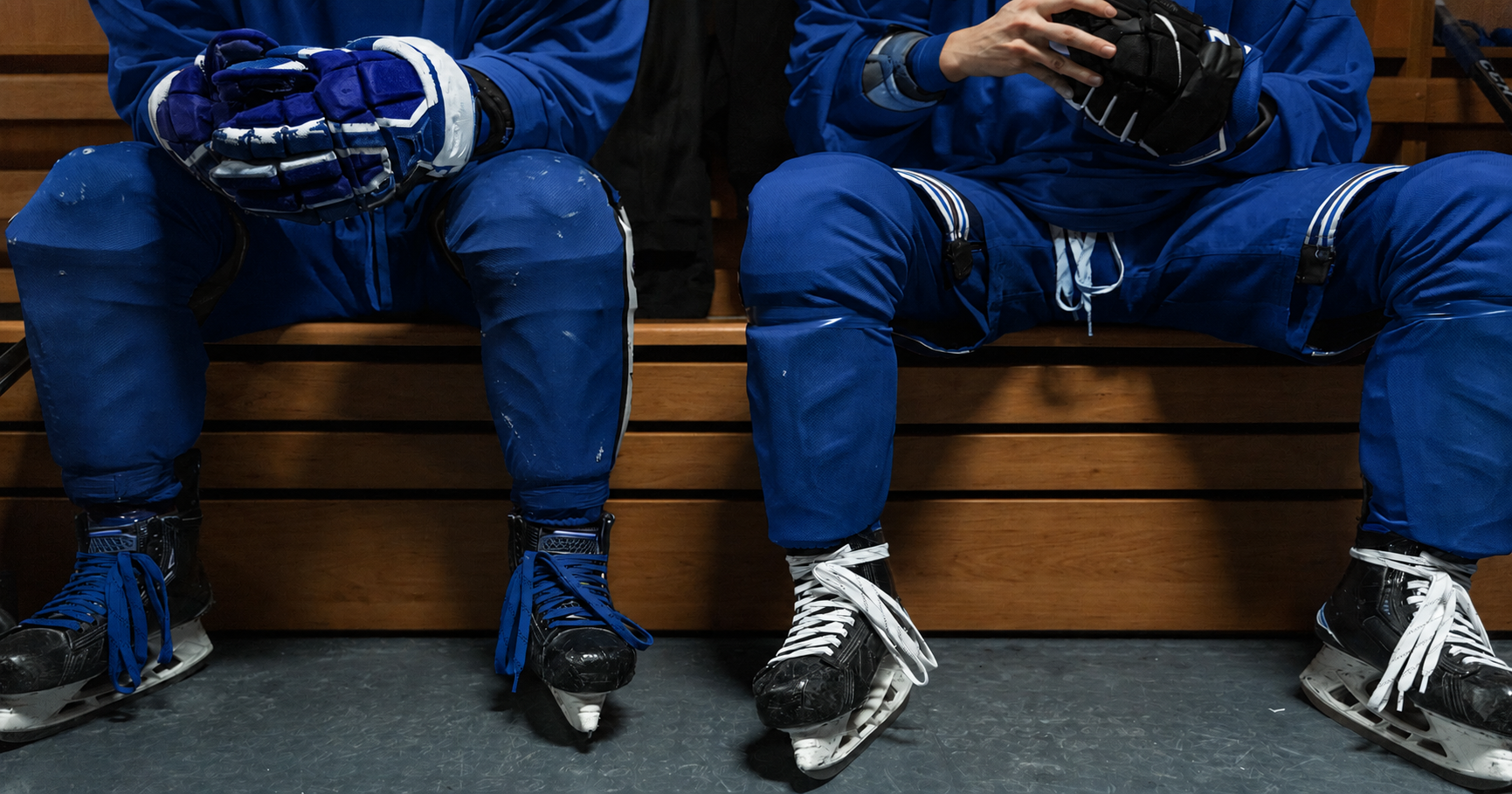
One Change Can Transform the Entire Setup
Changing one accessory can affect how everything else feels. A new insole can change your foot position. Different socks can alter the amount of space inside the boot. A new tongue can change pressure distribution, while a different lace can alter how tension is maintained.
This is why it is better to make major changes one at a time. If you replace your laces, insoles, socks, and tongue simultaneously, it can be difficult to identify which change improved or worsened the fit.
Give each adjustment enough time to evaluate it properly. Your goal should be a setup that feels consistent rather than one that constantly requires correction.
What Happens to Your Blades After the Final Whistle?
Blade protection is only one part of skate maintenance. Moisture is another major concern, particularly after a demanding practice when the blades and boot are both wet.
The Roller Gard Soaker Senior Skate Guards are a good option for players looking to protect and manage their blades between sessions. Soaker-style guards can be incorporated into a post-ice routine, but they should be used correctly and combined with proper drying.
Once you leave the rink, remove your skates from the closed equipment bag when possible. Dry the blades thoroughly and allow the boots to ventilate. Good maintenance habits can help protect the steel and extend the useful life of your equipment.
Build a Kit That Reflects Your Game
You do not need dozens of accessories to have a well-prepared skate setup. You need the right ones. Keep spare laces in your bag. Have reliable blade guards available. Carry socks that you know work with your skate fit. If lace bite is a recurring issue, keep your preferred protection accessible. Replace worn insoles before they become a source of discomfort rather than waiting until performance is affected.
The smartest players treat these small details as part of preparation, not emergency solutions. When your feet feel secure, your skates remain comfortable, your laces stay in place, and your blades are protected after every session, you remove distractions before they have a chance to affect your game.
A hockey player's relationship with the ice starts at the feet. The right accessories help make that connection more comfortable, controlled, and dependable—so when the puck drops, you can think about your next stride rather than what is happening inside your skates.